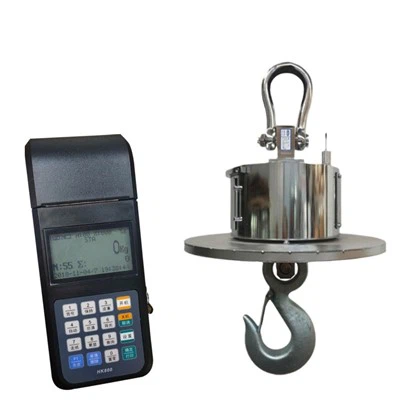
Hey there! As a crane scale supplier, I've seen firsthand how important it is to store these nifty devices properly. A crane scale is a crucial tool in many industries, from construction to manufacturing, and proper storage can significantly extend its lifespan and maintain its accuracy. So, let's dive into how you can store a crane scale like a pro.
Clean Before Storage
First things first, you gotta clean your crane scale before putting it away. Dust, dirt, and debris can accumulate on the scale over time, and if left unchecked, they can cause damage. Use a soft, dry cloth to wipe down the exterior of the scale. For stubborn dirt, you can use a mild cleaning solution, but make sure it's non - abrasive. Avoid getting any liquid inside the scale, especially if it's not a Waterproof Crane Scale. If your scale has hooks or chains, give them a good clean too. You can use a wire brush to remove any rust or dirt from the metal parts.
Choose the Right Location
The location where you store your crane scale matters a lot. You want to find a place that's dry, cool, and free from excessive vibrations. Moisture is the enemy of crane scales, as it can cause corrosion and damage to the internal components. A humidity - controlled environment is ideal. If you don't have a humidity - controlled storage area, you can use a dehumidifier to keep the moisture levels in check.
Avoid storing the scale in direct sunlight or near heat sources. High temperatures can affect the accuracy of the scale and damage its electronic components. Also, make sure the storage area is away from heavy machinery or areas where there's a lot of movement. Vibrations can loosen the internal parts of the scale and lead to inaccurate readings.
Protect from Physical Damage
Crane scales are delicate instruments, and they need to be protected from physical damage. When storing the scale, make sure it's placed in a secure position. If it has a carrying case, use it. The case will provide an extra layer of protection against bumps and scratches. If you don't have a case, you can wrap the scale in a soft, protective material like bubble wrap.
Don't stack heavy objects on top of the crane scale. The weight can damage the scale's structure and affect its accuracy. If you need to store multiple scales, make sure they're stored in a way that they don't come into contact with each other. You can use dividers or shelves to keep them separated.
Battery Care (if applicable)
Many modern crane scales, like the Digital Crane Scale 5 Ton and Digital Crane Scale 3 Ton, are battery - powered. If your scale uses batteries, you need to take special care of them during storage. Remove the batteries if the scale is going to be stored for an extended period. Batteries can leak over time, and the acid can damage the scale's internal components.
Store the batteries in a cool, dry place. You can use a battery case to keep them organized and prevent them from short - circuiting. Before using the scale again, make sure to recharge the batteries fully. This will ensure that the scale operates at its best.


Check Regularly
Even when the crane scale is in storage, you should check it regularly. Every few months, take the scale out of storage and give it a quick inspection. Look for any signs of damage, such as cracks, rust, or loose parts. Check the display (if it's a digital scale) to make sure it's working properly.
If you notice any issues, address them immediately. Minor problems can turn into major ones if left untreated. You might need to replace a part or have the scale serviced.
Documentation
Keep all the documentation related to the crane scale in a safe place. This includes the user manual, calibration certificates, and warranty information. The user manual will provide you with specific storage instructions for your scale. Calibration certificates are important as they show that the scale has been accurately calibrated. If you ever need to have the scale serviced or replaced under warranty, having the documentation handy will make the process much easier.
Consider the Type of Scale
Different types of crane scales have different storage requirements. For example, a Heavy Duty Crane Scale might be more robust and less prone to damage, but it still needs to be stored properly. On the other hand, a Precision Crane Scale is designed for high - accuracy measurements and needs extra care.
If you have a specialty scale, like a waterproof or explosion - proof scale, make sure you follow the manufacturer's specific storage guidelines. These scales are designed to work in specific environments, and improper storage can affect their performance.
Conclusion
Storing a crane scale properly is essential for maintaining its accuracy and extending its lifespan. By following these tips, you can ensure that your crane scale is in top condition when you need it. Whether you're a small business owner or a large industrial operator, taking care of your crane scale will save you time and money in the long run.
If you're in the market for a new crane scale or need advice on storage and maintenance, don't hesitate to reach out. We're here to help you find the perfect scale for your needs and ensure that it lasts for years to come.
References
- Crane Scale Manufacturer's User Manuals
- Industry Best Practices for Crane Scale Storage and Maintenance