




Fall Arrester
Why Choose HEBEI EMET MACHINERY & TECHNOLOGY CO., LTD?
Our company is a mechanical manufacturing enterprise, formerly a lifting machinery manufacturing factory, established in 2005. Located in Qingyuan District, Baoding City, Hebei Province, China, known as the hometown of lifting machines, covering an area of 3200 square meters, with advanced production equipment and a comprehensive quality management system, we are committed to providing customers with high-quality mechanical manufacturing services.
Professional Technical Team
We have a highly skilled team with strong technical strength and over 100 experienced employees. We insist on continuous innovation and have a series of independently developed precision manufacturing technologies and equipment.
Wide Range of Products
Our products cover various mechanical equipment, such as anti fall devices, electronic scales, manipulator arms, etc; At the same time, we can also customize production according to customer needs.
Quality Assurance
We strictly follow the requirements of the ISO9001 quality management system for production, and all products have passed CE certification, with a high market share.At the same time, we also have advanced production lines to provide customers with high-quality mechanical equipment.
Professional Service
We provide excellent after-sales service, track usage, and provide positive feedback. We will respond quickly within 24 hours and provide customers with solutions.


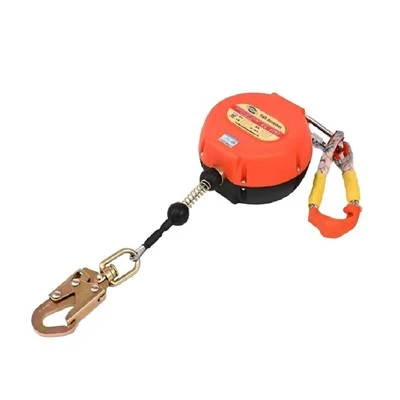


What is Fall Arrester?
Fall arrester is the form of fall protection which involves the safe stopping of a person already falling. It is one of several forms of fall protection, forms which also include fall guarding (general protection that prevents persons from entering a fall hazard area e.g., guard rails) and fall restraint (personal protection which prevents persons who are in a fall hazard area from falling in the first place, e.g., fall restraint lanyards).

Features of Fall Arrester
Retractable Lifeline
Fall arresters usually contain a retractable lifeline made of strong and durable material, such as steel cable or synthetic rope. This lifeline automatically adjusts in length as the user moves, providing freedom of movement while maintaining fall protection.
Energy Absorption System
Many fall arresters incorporate an energy absorption system to reduce the impact force on the user and the anchorage point in the event of a fall. This often involves mechanisms such as shock absorbers or tear-away stitching in the lifeline.
Anchorage Connection
Fall arresters require a secure connection to a suitable anchorage point, typically via a lanyard or carabiner. The anchorage point must be capable of supporting the anticipated forces in the event of a fall.
Locking Mechanism
Fall arresters feature a locking mechanism that activates in the event of a fall, immediately arresting the user's descent and preventing further movement.
Swivel Attachment
Some fall arresters include a swivel attachment between the lifeline and the user's harness, which helps to prevent twisting of the lifeline and enhances user comfort and mobility.
User-friendly Design
Modern fall arresters often feature ergonomic designs with user-friendly controls and indicators, making them easy to use and inspect.
Compliance with Standards
Fall arresters should comply with relevant safety standards and regulations, such as those set by organizations like ANSI (American National Standards Institute) or OSHA (Occupational Safety and Health Administration).
Durability and Reliability
Fall arresters must be constructed from high-quality materials and undergo rigorous testing to ensure durability and reliability in demanding work environments.

Types of Fall Arrester
Self-Retracting Lifeline (SRL)
Description: SRLs use a retractable cable or webbing that automatically extends and retracts as the worker moves.
Features: Typically compact and lightweight, providing freedom of movement; may include an energy absorption system.
Shock Absorbing Lanyard
Description: Consists of a flexible line or webbing with an integrated shock absorber that reduces impact forces in the event of a fall.
Features: Easy to use, can be attached to a harness and anchorage point; absorbs and dissipates energy during a fall.
Vertical Lifeline with Rope Grab
Description: Involves a vertical rope attached to an anchorage point, with a rope grab device that automatically locks onto the lifeline in the event of a fall.
Features: Allows vertical movement; locking mechanism provides quick fall arrest.
Horizontal Lifeline System
Description: A system of cables or tracks installed horizontally, enabling workers to move along the line while attached to a fall arrester.
Features: Suitable for tasks that require horizontal mobility; may include shock absorbers.
Rescue Descender
Description: Combines fall protection with a built-in descender mechanism, allowing for controlled descent after a fall.
Features: Enables self-rescue or rescue by others; often used in confined spaces or areas with limited access.
Rigid Rail Fall Arrest System
Description: Consists of a fixed rail or track installed along a working surface, with a trolley or shuttle that connects to the worker's harness.
Features: Provides continuous fall protection; suitable for areas with regular movement along a specific path.
Suspension Trauma Safety Straps
Description: Attachable straps that allow a suspended worker to stand up in their harness, relieving pressure and preventing suspension trauma.
Features: Used as a secondary safety measure to mitigate the effects of being suspended in a harness for an extended period.
Dual Leg Retractable Lifeline
Description: Similar to a standard SRL but with two separate retractable lifelines, allowing for connection to dual anchor points.
Features: Provides increased stability and flexibility when working in areas with multiple anchor points.
Advantages of Fall Arrester

Preventing Fatalities and Injuries
Compliance With Regulations
Improved Worker Confidence and Productivity
Reduced Downtime and Costs
Versatility and Accessibility
Ease of Use
Application of Fall Arrester
Construction Sites
Workers on construction sites often operate at heights, such as on scaffolding, rooftops, or elevated platforms. Fall arresters are essential to protect these workers from falls while performing tasks like roofing, framing, or installation work.
Utility Maintenance
Utility workers, such as those involved in electrical, telecommunications, or cable installation and maintenance, frequently work at heights on poles, towers, or elevated equipment. Fall arresters help safeguard them against falls while working on these structures.
Window Washing and Building Maintenance
Window washers and building maintenance personnel often work on the exterior of high-rise buildings using platforms, bosun's chairs, or scaffolding systems. Fall arresters provide crucial protection against falls while performing maintenance or cleaning tasks.
Oil and Gas Industry
Workers in the oil and gas industry may perform tasks on drilling rigs, derricks, platforms, or offshore structures. Fall arresters are indispensable for protecting these workers from falls during activities such as rigging, equipment installation, or maintenance work.
Warehouse and Distribution Centers
Employees working in warehouses or distribution centers may need to access elevated storage areas or operate machinery at height. Fall arresters help mitigate the risk of falls while performing tasks such as loading/unloading, inventory management, or equipment maintenance.
Telecommunications and Broadcasting Towers
Technicians and engineers working on telecommunication towers or broadcasting antennas face fall hazards due to the height of these structures. Fall arresters are crucial for their safety during tower climbing, equipment installation, or maintenance activities.
Wind Energy Industry
Workers in the wind energy sector are often tasked with maintenance and repair work on wind turbines, which can be located at considerable heights. Fall arresters play a vital role in protecting these workers from falls while servicing turbines or conducting inspections.
Mining and Quarrying Operations
Miners and quarry workers may encounter fall hazards while working on elevated platforms, ladders, or slopes within mining sites. Fall arresters help minimize the risk of falls during tasks such as equipment maintenance, ore extraction, or site inspection.
How to Choose Fall Arrester
Understand the Work Environment
The type of fall arrest equipment you need will depend on the nature of the work being performed and the height of the work area. It is important to understand the type of hazards that workers will face when working at height.
Choose the Right Type of Fall Arrest Equipment
There are different types of equipment, such as harnesses, lanyards, and self-retracting lifelines. Select the equipment that will best protect the specific task at hand.
Consider the Weight Capacity
Ensure that the fall arrest equipment can support the worker’s weight and any tools or equipment they may be carrying. Be sure to check the weight capacity of the equipment before making a purchase.
Check for Compliance
Ensure that the fall arrest equipment you select meets the safety standards of regulatory bodies such as OSHA. This will ensure that the equipment is safe and effective for use.
Training and Maintenance
Proper training in using fall arrest equipment is crucial for the safety of workers. Also, ensure that the equipment is regularly inspected and maintained to ensure it is in good working condition.
Comfort and Fit
The fall arrest equipment should fit properly and comfortably. This will encourage workers to wear the equipment at all times, increasing their safety and minimizing the risk of injury.
Follow Manufacturer's Guidelines
Adhere to the manufacturer's instructions and recommendations for maintenance, inspection, and servicing specific to the fall arrester model being used.
Regular Inspections
Conduct routine inspections of the fall arrester before each use and periodically, even when not in use. Inspect all components, including the lifeline, connectors, harness attachment points, retracting mechanisms, locking mechanisms, energy absorbers, and any other integral parts.
Cleaning and Lubrication
Clean the fall arrester regularly, following the manufacturer's instructions. Use suitable cleaning agents and ensure all components are free from dirt, debris, and contaminants that may hinder proper operation. Lubricate moving parts as recommended by the manufacturer if necessary.
Replace Worn or Damaged Components
Inspect the fall arrester for signs of wear, fraying, corrosion, or damage. Replace any damaged or worn components, such as the lifeline, connectors, or energy absorbers, with manufacturer-approved replacement parts.


Check Functionality
Test the fall arrester's retracting mechanism, locking mechanism, and energy absorption system to ensure they are functioning correctly. Verify that the locking mechanism immediately engages in a fall event and the energy absorption system adequately reduces impact forces.
Keep Records
Maintain accurate records of inspections, maintenance, and any repairs or replacements performed on the fall arrester. This documentation helps track its history and ensures compliance with applicable regulations.
Training and User Knowledge
Provide proper training to users on the maintenance and inspection requirements for fall arresters. Educate them on how to identify signs of wear and damage, and emphasize the importance of reporting any issues immediately.
Retirement and Replacement
Regularly assess fall arresters for signs of significant wear or damage. If a fall arrester fails to meet the manufacturer's specifications or has reached its designated service life, retire it and replace with a new one.
How to Use Fall Arrester
Select the Appropriate Fall Arrester
Choose a fall arrester that is suitable for the specific application, considering factors such as the type of work, environment, and potential fall hazards.
Inspect the Fall Arrester
Before each use, conduct a thorough inspection of the fall arrester. Check for any signs of wear, damage, or malfunction. Ensure that all components, including the lifeline, connectors, and locking mechanisms, are in good condition.
Wear Proper Personal Protective Equipment (PPE)
Put on the appropriate personal protective equipment, including a full-body harness designed for fall arrest. Ensure that the harness is correctly fitted and adjusted according to the manufacturer's instructions.
Connect to a Secure Anchorage Point
Identify and connect the fall arrester to a secure and approved anchorage point. The anchorage point must be capable of supporting the anticipated forces in the event of a fall.
Attach the Fall Arrester to the D-Ring
Connect the fall arrester to the D-ring on the front or back of the full-body harness using the provided connector. Follow the manufacturer's guidelines for proper attachment.
Adjust the Length of the Lifeline
Ensure that the length of the lifeline is appropriate for the task. Some fall arresters have adjustable lifelines that automatically retract or extend as the user moves.
Perform a Functionality Check
Test the fall arrester's functionality before use. Check the locking mechanism, retracting mechanism, and any energy absorption features to ensure they are working correctly.
Work Safely and Mind the Fall Clearance
Be aware of the potential fall hazards in the work area. Maintain a safe distance from unprotected edges, openings, or other hazards. Pay attention to the fall clearance requirements specified by the fall arrester's manufacturer.
Keep the Lifeline Taut and Avoid Slack
Keep the lifeline taut during use to minimize the risk of swinging or contact with obstacles. Avoid creating slack in the lifeline, as this can increase the fall distance.
Inspect Regularly During Use
Periodically inspect the fall arrester while working at heights. Check for any signs of damage, wear, or malfunction. Report and address any issues promptly.
Proper Descent or Climb
If using a fall arrester for descent, follow proper descent techniques as specified by the manufacturer. Similarly, if climbing, ensure proper climbing techniques are employed.
Retract and Store Properly
After use, retract the lifeline properly, and store the fall arrester in a suitable container or storage area. Protect it from environmental factors that may affect its integrity.
Our Factory
We have a complete factory production, quality supervision and delivery.

Ultimate FAQ Guide to Fall Arrester
Q: What is a fall arrester?
Q: What is the purpose of a fall arrester?
Q: How does a fall arrester work?
Q: What are the different types of fall arresters?
Q: What is a personal fall arrest system (PFAS)?
Q: What is a horizontal lifeline?
Q: What is a vertical lifeline?
Q: What materials are used to make fall arresters?
Q: Does a fall arrester need to be inspected before use?
Q: How often does a fall arrester need to be inspected?
Q: Who is responsible for inspecting a fall arrester?
Q: What is the proper way to use a fall arrester?
Q: What is the difference between a fixed fall arrester and a retractable fall arrester?
Q: Is it ever safe to tie a knot in a fall arrester rope or lanyard?
Q: What is the maximum length of lanyard allowed for fall arrester use?
Q: What is the difference between an energy-absorbing lanyard and a non-energy-absorbing lanyard?
Q: Can fall arresters be reused after a fall?
Q: Should a fall arrester be replaced after a fall?
Q: How often should fall arresters be replaced?
Q: What is the recommended service life for a fall arrester?