




Crane Scale
Why Choose HEBEI EMET MACHINERY & TECHNOLOGY CO., LTD?
Our company is a mechanical manufacturing enterprise, formerly a lifting machinery manufacturing factory, established in 2005. Located in Qingyuan District, Baoding City, Hebei Province, China, known as the hometown of lifting machines, covering an area of 3200 square meters, with advanced production equipment and a comprehensive quality management system, we are committed to providing customers with high-quality mechanical manufacturing services.
Professional Technical Team
We have a highly skilled team with strong technical strength and over 100 experienced employees. We insist on continuous innovation and have a series of independently developed precision manufacturing technologies and equipment.
Wide Range of Products
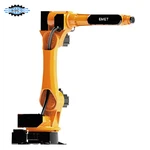
Our products cover various mechanical equipment, such as anti fall devices, electronic scales, manipulator arms, etc; At the same time, we can also customize production according to customer needs.
Quality Assurance
We strictly follow the requirements of the ISO9001 quality management system for production, and all products have passed CE certification, with a high market share.At the same time, we also have advanced production lines to provide customers with high-quality mechanical equipment.
Professional Service
We provide excellent after-sales service, track usage, and provide positive feedback. We will respond quickly within 24 hours and provide customers with solutions.



What is Crane Scale?
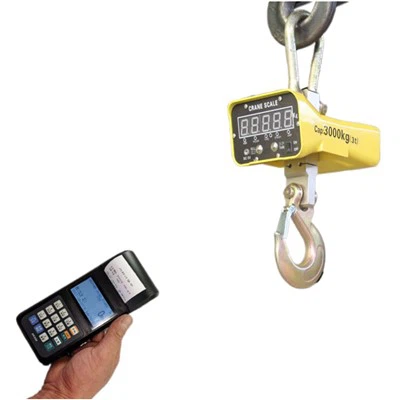
A crane scale is a heavy-duty scale utilized to suspend massive or weighty loads that you can use to measure the weight of various industrial applications within the workplace. They are also known as suspended scales, load links, or overhead weighing scales.

Features of Crane Scale
Heavy-Duty Construction
Crane scales are built to withstand heavy loads and harsh industrial environments. They are typically made from durable materials such as stainless steel or alloy steel to ensure strength and durability.
Load Capacity
Crane scales have specific load capacity ratings that indicate the maximum weight they can accurately measure. The load capacity can range from a few hundred kilograms to several tons, depending on the model.
Display and Readability
Crane scales feature a clear and easy-to-read digital display that shows the weight of the load. The display is usually equipped with backlit or high-contrast features to ensure visibility in various lighting conditions.
Tare Functionality
Crane scales often come with a tare function, which allows the user to zero out the weight of any attachments or containers, thereby providing the net weight of the load being lifted and weighed.
Remote Control or Wireless Operation
Some crane scales are equipped with remote control or wireless operation capabilities, allowing the operator to control and monitor the scale from a distance. This feature enhances convenience and safety.
Multiple Measurement Units
Crane scales support various measurement units such as kilograms, pounds, ounces, grams, and Newtons, allowing users to choose the preferred unit of weight measurement.
Overload Protection
To ensure safety and prevent damage, crane scales are often equipped with overload protection mechanisms that alert the user if the load exceeds the scale's capacity.
Power Source
Crane scales can be battery-powered or have rechargeable battery options, allowing them to be used in areas without direct access to a power source. Some models also offer AC power options for continuous use.
Wireless Data Transmission
Advanced crane scales may have the capability to transmit weight data wirelessly to a remote display, computer, or other data management systems. This feature simplifies data recording and analysis.

Types of Crane Scale
Digital Crane Scales
Digital crane scales are usually made to withstand heavy weight with an easy-to-use and sturdy design. Usually, the minimum weight lifting capacity of these scales start at 50 kg with a maximum of 100 metric tons. The structure of these crane scales is fortified with OIML class III accuracy and coated with heavy duty powder for trouble-free functioning in bad environments. Some scales are equipped with gravity acceleration technology for uninterrupted use in all places over the world.
Electronic Crane Scales
These scales come with electronic displays and extremely durable designs. On account of the electronic displays, the readability of these scales is unmatched. The weight bearing capacities of these scales might range from 300 kg to as heavy as 30 tons. Like the digital scales, electronic ones also comply with OIML standards.
Heavy Duty Crane Scales
Specific operations require specialized crane scales. Heavy duty crane scales are usually made rugged. They come in two different variations; double and single girder scales. The single girder scale is made to lift weights ranging from 1 to 20 tons while the double girder scales can lift from 1 to 150 tons. This version is especially used for heavier applications.
A Crane Scale Helps Weigh Awkward Loads
Using a crane scale means you can weigh heavy and awkward objects that otherwise you can’t. You can lift any load with it. The only limit will be the load limit of the crane.
A Crane Scale Frees Up Workspace
A crane scale is suspended, allowing more floor space within your industry. You may want a safer workspace. With this product, you do not need to transport objects to weigh.
Crane Scales Lessen the Amount of Forklift Traffic Within the Workplace
If you start using a crane scale in your workplace, you will have more space at a floor level, and also, forklift drivers will have more room to drive and do their job. Having more free space to drive a forklift will prevent crashes and create a clear driving route for workers.
Crane Scales Give Accurate Measurements
If you need accurate measurements, a crane scale will be able to offer you an accurate reading of how much your load weighs.
A Crane Scale Saves Time and Money
Crane scales are easy for workers to read with an easy process. They give you a digital reading, and all the worker has to do is record the numbers down. Any employee can do it relatively quickly and easily, saving time to do other jobs.
Industrial and Manufacturing
Crane scales are widely used in manufacturing and industrial environments for weighing heavy raw materials, components, and finished products during production, assembly, or shipping processes. They ensure accurate measurements for quality control and inventory management.
Construction and Engineering
Crane scales are indispensable tools in construction and engineering projects. They are used for weighing construction materials like steel beams, concrete segments, and precast elements. They help monitor and control the load capacity of cranes and ensure safe lifting operations.
Transportation and Logistics
In transportation and logistics industries, crane scales play a vital role in accurately weighing cargo, containers, and shipping packages. They are used at ports, freight terminals, and warehouses to determine weight for loading, unloading, and verifying shipping quantities.
Mining and Quarrying
Crane scales are utilized in mining and quarrying operations to weigh extracted minerals, ores, and rock materials. They help determine the output and monitor loads being transported by cranes, trucks, or conveyor systems.
Waste Management
In waste management facilities, crane scales are used to weigh dumpsters, large waste containers, or skip bins. This enables accurate billing or tracking of waste volume for disposal and recycling purposes.
Offshore and Marine
Crane scales are commonly employed in offshore and marine applications, such as on oil rigs, ships, and docks. They are used for weighing heavy equipment, supplies, or containers during loading, unloading, and construction operations.
Power and Utilities
Crane scales are utilized in power plants and utility companies for measuring the weight of heavy equipment, transformers, generators, or transmission components. They ensure safe lifting and proper installation.

How to Choose Crane Scale
Ease of Use
People operating crane scales in manufacturing and cargo applications are often wearing gloves and other safety equipment that can make pushing buttons and other fine motor movements challenging. Look for force measurement tools in Fort Lauderdale FL that have large buttons and keys that are easier to manipulate when operators are lifting and moving loads or resetting the tare on the scale.
Display
Many applications requiring a crane scale are outdoors. When you are purchasing this type of scale, be sure to choose one that has a digital display that can be read even in bright sunlight. Having a large readout that can be seen from a distance provides flexibility in use. A remote readout option allows someone other than the crane operator to monitor the loads being lifted as well.
Long Battery Life
Having to change or recharge batteries in your crane scale control during a shift eats into productivity. Choose a device with a long battery life to prevent interruptions. Some scales even feature automatic shutoff functions to further conserve battery power when the scale is not in use for an extended period of time.
Maintenance of Crane Scale
Regular Inspection
Conduct routine visual inspections of the crane scale to check for any signs of wear, damage, or loose connections. Inspect the display, buttons, cables, and load cells for any issues. If you notice any problems, address them promptly.
Calibration
It's crucial to calibrate the crane scale regularly to maintain its accuracy. Follow the manufacturer's recommendations for calibration intervals and procedures. Consider having a professional calibration service perform the calibration to ensure precise measurements.
Cleaning
Keep the crane scale clean and free from debris, dust, and contaminants. Use a soft cloth or brush to remove any dirt or residue. Avoid using harsh chemicals that could damage the scale. If the scale is used in a hazardous or corrosive environment, follow the specific cleaning instructions provided by the manufacturer.
Load Cell Protection
Take steps to protect the load cells, which are responsible for measuring the weight, from excessive impact or overload. Avoid dropping heavy loads onto the scale or subjecting it to sudden shocks. Utilize appropriate rigging and lifting techniques to minimize the stress on the scale.
Environmental Factors
Pay attention to the environmental conditions in which the crane scale is used. Extreme temperatures, humidity, or exposure to corrosive substances can affect the performance of the scale. Take necessary precautions such as using protective covers or storing the scale in a controlled environment when not in use.
How to Use Crane Scale
Read the Manual
Before operating the crane scale, carefully read and understand the manufacturer's instructions provided in the user manual. Familiarize yourself with the specific features, controls, and limitations of the crane scale.
Inspect the Crane Scale
Conduct a visual inspection of the crane scale to ensure there are no visible signs of damage or wear. Check the display, buttons, cables, and load cells. If any issues are identified, address them before use.
Calibration
Calibrate the crane scale according to the manufacturer's recommendations. Calibration ensures accurate weight measurements. Follow the specified calibration procedure and schedule, and consider using professional calibration services.
Power On and Setup
Power on the crane scale using the designated controls or buttons. Set up the unit of measurement (e.g., kilograms, pounds) and any other relevant parameters based on your specific requirements.
Attach the Crane Scale
Attach the crane scale to the lifting equipment (crane or hoist) using appropriate rigging and connections. Ensure that the attachment points are secure and aligned to prevent load imbalance.
Tare Function
If the crane scale has a tare function, use it to zero out the weight of any attachments, such as slings or hooks. This provides the net weight of the load being lifted.
Lift the Load
Lift the load using the crane or hoist. Ensure that the load is lifted smoothly and steadily. Monitor the weight reading on the crane scale's display during the lifting operation.
Hold and Record Weight
Once the load is lifted to the desired height, hold it steady and record the weight displayed on the crane scale. This weight represents the lifted load.
Lower the Load
Lower the load gently, and monitor the weight reading as the load descends. Ensure a controlled descent to prevent sudden impacts.
Disconnect and Power Off
After completing the weighing operation, disconnect the crane scale from the load and power it off. Store the crane scale in a safe and dry location.
Post-Operation Inspection
Conduct a post-operation inspection to check for any changes in the crane scale's condition. If any issues are identified, address them before the next use.
Our Factory
We have a complete factory production, quality supervision and delivery.

Ultimate FAQ Guide to Crane Scale
Q: What is a crane scale?
Q: How does a crane scale work?
Q: What are the advantages of using a crane scale?
Q: What are the types of crane scales?
Q: What is the weight capacity of a crane scale?
Q: How accurate are crane scales?
Q: Can a crane scale be used for outdoor applications?
Q: What is the battery life of a crane scale?
Q: What is the display on a crane scale like?
Q: Can a crane scale be used for weighing uneven loads?
Q: What is the weight of a crane scale?
Q: Can a crane scale be calibrated?
Q: Are there any safety features on a crane scale?
Q: How do I install a crane scale?
Q: Can a crane scale be used for weighing live animals?
Q: What is the price range for a crane scale?
Q: What is the warranty on a crane scale?
Q: What is the temperature range for a crane scale?
Q: Can a crane scale be used for trade purposes?
Q: Can a crane scale be used for measuring volume?
Q: Can a crane scale be used for measuring density?
Q: What type of care and maintenance is required for a crane scale?
Q: Can a crane scale be used in hazardous environments?
Q: Can multiple crane scales be used at the same time?
Q: What type of communication options are available for crane scales?
Q: How do I know which crane scale is right for my application?
Q: Can a crane scale be used for shipping and logistics?
Q: What is the lead time for a crane scale?
Q: What is the calibration process for a crane scale?