



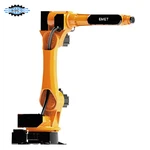

Hoisting Device
Why Choose HEBEI EMET MACHINERY & TECHNOLOGY CO., LTD?
Our company is a mechanical manufacturing enterprise, formerly a lifting machinery manufacturing factory, established in 2005. Located in Qingyuan District, Baoding City, Hebei Province, China, known as the hometown of lifting machines, covering an area of 3200 square meters, with advanced production equipment and a comprehensive quality management system, we are committed to providing customers with high-quality mechanical manufacturing services.
Professional Technical Team
We have a highly skilled team with strong technical strength and over 100 experienced employees. We insist on continuous innovation and have a series of independently developed precision manufacturing technologies and equipment.
Wide Range of Products
Our products cover various mechanical equipment, such as anti fall devices, electronic scales, manipulator arms, etc; At the same time, we can also customize production according to customer needs.
Quality Assurance
We strictly follow the requirements of the ISO9001 quality management system for production, and all products have passed CE certification, with a high market share.At the same time, we also have advanced production lines to provide customers with high-quality mechanical equipment.
Professional Service
We provide excellent after-sales service, track usage, and provide positive feedback. We will respond quickly within 24 hours and provide customers with solutions.


Hoisting Device refers to a mechanical apparatus or equipment used for lifting and moving heavy loads vertically. It is specifically designed to handle the task of lifting heavy objects while ensuring safety and efficiency. Hoisting devices are commonly used in industries like construction, manufacturing, warehousing, and logistics, where heavy materials or equipment need to be lifted, transported, and positioned.

Features of Hoisting Device
Lifting Mechanism
The hoisting device incorporates a mechanism that provides the power and force to lift and lower the loads. This can be a hydraulic system, electric motor, or manual operation, depending on the type of hoisting device.
Load Capacity
Hoisting devices have specific load capacities, indicating the maximum weight they can safely lift. It is crucial to ensure that the device's capacity matches or exceeds the weight of the load being lifted.
Lifting Medium
Hoisting devices utilize various lifting mediums depending on their design and application. The lifting medium can be wire ropes, chains, slings, or straps, which are used to secure the load and transfer the lifting force.
Controls and Safety Features
Hoisting devices are equipped with controls and safety features to ensure safe and efficient operation. These can include emergency stop buttons, limit switches, overload protection, and safety interlocks to prevent accidents and damage.
Structural Support
The hoisting device is built with a sturdy and robust structure to provide stability and support during lifting operations. This includes the main frame, support beams, and any additional reinforcement required.
Mobile or Stationary
Hoisting devices can be either mobile or stationary, depending on the application. Mobile hoisting devices, such as cranes or forklifts, are designed to be easily transported and deployed to different locations. Stationary hoisting devices, like overhead cranes or hoist systems, are fixed in a specific position for lifting and moving loads within a defined area.
Attachments and Accessories
Hoisting devices may come with various attachments and accessories to accommodate different types of loads and lifting requirements. These can include hooks, slings, pallet forks, or specialized lifting tools designed for specific applications.

Types of Hoisting Device
Cranes
Cranes are powerful hoisting devices used for lifting and moving heavy loads horizontally and vertically. They consist of a vertical mast or tower, a trolley, and a boom or jib. Cranes can be mobile or stationary and come in different configurations such as tower cranes, mobile cranes, gantry cranes, and overhead cranes.
Hoists
Hoists are devices specifically designed for vertical lifting and lowering operations. They typically consist of a motorized or manual lifting mechanism, a drum or reel, and a hook or lifting attachment. Hoists are commonly used in construction sites, manufacturing facilities, and warehouses.
Elevators
Elevators are hoisting devices primarily used for vertical transportation of people or goods. They consist of a car or platform that moves vertically within a shaft. Elevators are widely used in buildings to provide safe and efficient transportation between floors.
Forklifts
Forklifts are versatile hoisting devices used for lifting and moving heavy loads on pallets or skids. They are equipped with forks that slide under the load for lifting and can be maneuvered in tight spaces. Forklifts are commonly used in warehouses, logistics, and construction sites.
Winches
Winches are hoisting devices used for pulling or lifting heavy objects horizontally or at an incline. They consist of a spool or drum, a motor, and a rope or cable. Winches are commonly used in industries such as marine, forestry, and construction.
Aerial Lifts
Aerial lifts, also known as cherry pickers or scissor lifts, are hoisting devices used to lift workers and equipment to elevated areas. They are equipped with a platform or bucket that can be raised or lowered vertically or horizontally. Aerial lifts are frequently used in construction, maintenance, and utility work.
Advantages of Hoisting Device
Heavy Load Handling
Hoisting devices are specifically designed to lift and move heavy loads safely and efficiently. They can handle weights that would be impractical or unsafe to lift manually, allowing for increased productivity and reduced manual labor.
Increased Efficiency
Hoisting devices enable faster and more efficient material handling processes. With their ability to lift and transport heavy loads vertically or horizontally, they facilitate quick loading/unloading, precise positioning, and faster movement of materials or equipment.
Enhanced Safety
Hoisting devices are built with safety features and mechanisms to ensure secure lifting operations. These features may include overload protection, safety interlocks, emergency stop buttons, and limit switches to prevent accidents, injuries, and equipment damage.
Versatility
Hoisting devices come in various types and configurations, allowing for versatility in different lifting and moving applications. They can be used in different industries such as construction, manufacturing, warehousing, logistics, and maritime, adapting to different load sizes, shapes, and weights.
Improved Precision
Hoisting devices provide precise control over the lifting and positioning of loads. This accuracy is crucial in applications that require precise placement, such as assembly lines or construction sites. The ability to position loads accurately saves time and minimizes errors.
Flexibility and Adaptability
Hoisting devices can be easily adjusted and adapted to different work environments. They can be mobile or stationary, allowing for flexible use in various locations. Hoisting devices can also be equipped with different attachments or accessories to accommodate different load types and sizes.
Increased Reach and Access
Hoisting devices, such as cranes or aerial lifts, enable access to elevated or hard-to-reach areas. They provide a safe platform for work at heights, improving accessibility and facilitating maintenance, repairs, or construction tasks.
Reduced Physical Strain
By automating the lifting and moving tasks, hoisting devices reduce the physical strain and potential injuries associated with manual lifting. They minimize the risk of musculoskeletal disorders and fatigue among workers.
Application of Hoisting Device


Construction
Hoisting devices such as cranes and hoists are extensively used in construction sites. They are employed for lifting and placing construction materials, equipment, and prefabricated components like steel beams, concrete blocks, and scaffolding.
Manufacturing
Hoisting devices play a vital role in manufacturing, where heavy equipment, raw materials, and finished products often need to be lifted and transported. They are used for tasks such as loading and unloading materials, moving heavy machinery, and positioning components during assembly.
Warehousing and Logistics
Hoisting devices like forklifts, pallet jacks, and overhead cranes are integral to warehousing and logistics operations. They facilitate the lifting, stacking, and movement of goods, pallets, and containers in warehouses and distribution centers.
Maritime and Ports
Cranes and hoists are extensively employed in maritime applications, including ports, shipyards, and offshore operations. They are used for loading and unloading cargo from ships, transferring containers, assembling offshore structures, and other heavy lifting tasks.
Agriculture and Forestry
Hoisting devices are used in agricultural and forestry applications for tasks like loading and unloading heavy equipment and materials, lifting harvested crops or timber, and handling feed or supply bags.
Automotive and Aerospace Industries
Hoisting devices are utilized in large-scale production facilities for lifting and moving heavy vehicle components, engines, and aircraft parts during assembly or maintenance processes.
Utilities and Power Generation
In utilities and power plants, hoisting devices such as cranes and aerial lifts aid in the installation, maintenance, and repair of equipment like transformers, generators, turbines, and overhead power lines.
Mining and Extraction
Hoisting devices are essential in mining operations for raising and lowering miners, equipment, and materials, as well as for transporting extracted minerals and ores.
Infrastructure Development
During infrastructure projects like bridge construction or road maintenance, hoisting devices are used for lifting and placing construction components, steel reinforcements, concrete slabs, and other heavy materials.
How to Choose Hoisting Device
Different types of hoists have different load capacities. The rule of thumb is to ensure your loads don’t exceed the rated capacity at any point. Overloading can do more than damage your equipment- it can jeopardize site safety.
Lift height is the maximum distance between the floor and the hook when the hoist is at rest. Account for the distance between the hook when it is raised and lowered. Also, remember to consider headroom- the distance between the hoist suspension and the hook when it’s raised.
The lifting conditions play a crucial role in directing which type of hoist you should use. For example, air hoists are more conducive to dangerous, fast-paced environments because they are explosion-proof and have a 100 percent duty cycle. Carefully consider where you’ll be using your hoist before adding it to your cart.
Make sure you’re comfortable using the hoisting equipment type before settling on it. Discuss your options with a rigging hoist supplier in case you don’t know what to choose.
Since hoists are expensive, you want them to last as long as possible. Most types of hoists require regular maintenance to stay on top of their game- some more so than others. Check the maintenance guidelines carefully to make an informed decision. It’s best to pick a low-maintenance hoist to avoid extensive upkeep.
Maintenance of Hoisting Device
Visual Inspection
Conduct a visual inspection of the electric hoist to check for any signs of damage, wear, or loose components. Look for frayed or damaged cables, worn-out chains or wire ropes, loose fasteners, or any other visible issues. If any problems are detected, they should be addressed promptly.
Lubrication
Proper lubrication of moving parts is essential to ensure smooth and efficient operation of the electric hoist. Follow the manufacturer's recommendations regarding the type and frequency of lubrication. Apply lubricants to components such as bearings, gears, and chains as specified by the manufacturer.
Load Chain/Wire Rope Inspection
Inspect the load chain or wire rope for signs of wear, corrosion, or damage. Check for kinks, broken wires, or distortion. If any issues are found, consult the manufacturer's guidelines for appropriate actions, which may include repair or replacement of the load chain or wire rope.
Electrical Components
Inspect the electrical components of the electric hoist, including cables, connectors, and control systems. Look for any signs of damage, loose connections, or exposed wires. Ensure that all electrical connections are secure and that there are no signs of overheating or insulation breakdown.
Controls and Safety Devices
Check the pendant control and other control devices for proper functioning. Test the emergency stop button, limit switches, and overload protection mechanisms to ensure they are operating correctly. Replace any faulty or malfunctioning components as necessary.
Brake Testing
Test the braking system of the electric hoist to ensure it is functioning properly. Check that the brake engages and holds the load securely when the hoist is not in operation. If any issues are identified, consult the manufacturer's guidelines and contact a qualified technician for repair or adjustment.
Documentation and Record-Keeping
Maintain proper documentation of maintenance activities, including inspection reports, lubrication records, and any repairs or replacements performed. Keep a record of the maintenance schedule and adhere to it consistently.

Working Principle of Hoisting Device
Hoists are used in the construction industry, as well as industries such as steel, in mechanical workshops, in airports, in mines, in warehouses and in sea ports. They are generally used to load and unload very heavy materials that cannot be handled by one person and that must be placed in transport trucks, boats, fixed spaces and many other locations.
The responsibility for moving the load rests with the system of pulleys and cables, which can be fixed and/or mobile. This system varies the forces and speed, needing to apply a lesser force than the load to be moved. The effort is also less than what we would need if the load were lifted freehand or with small hoists.
A specific overhead hoist configuration is usually defined by the lifting medium, operation and suspension. The lifting medium is the type of component used to transmit and cause the vertical motion and includes wire rope, chain or synthetic strap, or rope. Operation defines the type of power used to operate the hoisting motion and includes manual power, electric power, hydraulic power or air power. The suspension defines the type of mounting method used to suspend the hoist and includes hook, clevis, lug, trolley, deck, base, wall or ceiling.
Our Factory
We have a complete factory production, quality supervision and delivery.

Ultimate FAQ Guide to Hoisting Device
Q: What is a hoisting device?
Q: What are the types of hoisting devices?
Q: What is the capacity of hoisting devices?
Q: How do hoisting devices work?
Q: What is the difference between a manual and an electric hoist?
Q: What is the difference between a chain and wire rope hoist?
Q: How do I choose a hoisting device?
Q: Can hoisting devices be used in hazardous environments?
Q: What is the maximum height a hoisting device can lift?
Q: Can hoisting devices be used to move loads horizontally?
Q: What should I do if my hoist breaks down?
Q: What is the difference between single and double girder hoists?
Q: What is the difference between a top-running and an under-running crane?
Q: How do I maintain my hoisting device?
Q: How often should I replace my hoist's cables and chains?
Q: What is the difference between a hoist and a crane?
Q: What is the maximum load that a hoisting device can lift?
Q: Can hoisting devices be used to lift people?
Q: Can hoisting devices be used in extreme weather conditions?
Q: Can hoisting devices be operated remotely?