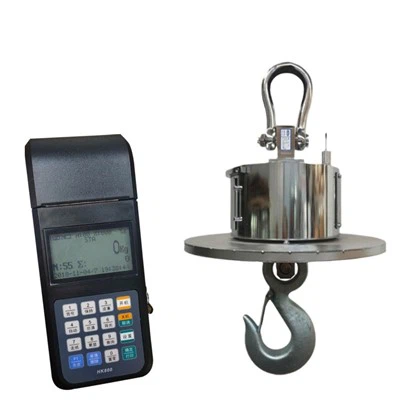
What is the Speed of an Electric Hoist Winch?
As a supplier of electric hoist winches, I often encounter customers who are curious about the speed of these essential lifting devices. Understanding the speed of an electric hoist winch is crucial for selecting the right equipment for your specific application. In this blog post, I will delve into the factors that influence the speed of an electric hoist winch, the different types of speeds available, and how to choose the appropriate speed for your needs.
Factors Influencing the Speed of an Electric Hoist Winch
The speed of an electric hoist winch is determined by several factors, including the motor power, gear ratio, drum diameter, and load capacity. Let's take a closer look at each of these factors:
- Motor Power: The motor is the heart of an electric hoist winch, and its power directly affects the speed of the winch. A more powerful motor can generate more torque, allowing the winch to lift heavier loads at a faster speed. However, it's important to note that increasing the motor power also increases the energy consumption and cost of the winch.
- Gear Ratio: The gear ratio is the ratio of the number of teeth on the input gear to the number of teeth on the output gear. A higher gear ratio means that the output shaft rotates more slowly than the input shaft, resulting in a lower speed but higher torque. Conversely, a lower gear ratio means that the output shaft rotates faster than the input shaft, resulting in a higher speed but lower torque.
- Drum Diameter: The drum diameter is the diameter of the drum around which the cable or rope is wound. A larger drum diameter means that the cable or rope has to travel a longer distance for each revolution of the drum, resulting in a higher speed. However, a larger drum diameter also means that the winch requires more space and may be heavier.
- Load Capacity: The load capacity is the maximum weight that the winch can lift. As the load capacity increases, the speed of the winch decreases because the motor has to work harder to lift the heavier load. Therefore, it's important to choose a winch with a load capacity that is appropriate for your needs.
Types of Speeds Available
There are two main types of speeds available for electric hoist winches: single speed and variable speed. Let's take a closer look at each of these types:
- Single Speed: A single speed winch operates at a fixed speed, which is determined by the motor power, gear ratio, drum diameter, and load capacity. Single speed winches are simple and reliable, and they are suitable for applications where the load and lifting distance are constant. However, they may not be suitable for applications where the load or lifting distance varies.
- Variable Speed: A variable speed winch allows you to adjust the speed of the winch according to your needs. Variable speed winches are more versatile than single speed winches, and they are suitable for applications where the load or lifting distance varies. There are two main types of variable speed winches: mechanical and electronic. Mechanical variable speed winches use a mechanical device, such as a pulley or a gearbox, to adjust the speed of the winch. Electronic variable speed winches use an electronic controller to adjust the speed of the winch. Variable Speed Hoist Winch
Choosing the Appropriate Speed for Your Needs
When choosing the appropriate speed for your electric hoist winch, you need to consider several factors, including the load capacity, lifting distance, and frequency of use. Here are some guidelines to help you choose the appropriate speed:
- Load Capacity: If you need to lift heavy loads, you may need a winch with a lower speed but higher torque. Conversely, if you need to lift light loads, you may be able to use a winch with a higher speed.
- Lifting Distance: If you need to lift the load over a long distance, you may need a winch with a higher speed to reduce the lifting time. Conversely, if you need to lift the load over a short distance, you may be able to use a winch with a lower speed.
- Frequency of Use: If you need to use the winch frequently, you may need a winch with a higher speed to increase the productivity. Conversely, if you only need to use the winch occasionally, you may be able to use a winch with a lower speed.
In addition to these factors, you also need to consider the safety and reliability of the winch. Make sure that the winch is designed and manufactured to meet the relevant safety standards, and that it is equipped with appropriate safety features, such as overload protection and emergency stop buttons.
Conclusion
The speed of an electric hoist winch is an important factor to consider when choosing the right equipment for your specific application. By understanding the factors that influence the speed of an electric hoist winch, the different types of speeds available, and how to choose the appropriate speed for your needs, you can make an informed decision and select a winch that meets your requirements.


If you are interested in purchasing an electric hoist winch, please feel free to contact us. We are a leading supplier of electric hoist winches, and we offer a wide range of products to meet your needs. Our products include Variable Speed Hoist Winch, Electric Hoist Winch with Remote Control, and 1.5 Ton Electric Winch. We also provide professional installation and after-sales service to ensure that your winch operates safely and reliably.
Contact us today to discuss your requirements and get a free quote. We look forward to hearing from you!
References
- ASME B30.16 - Overhead Hoists (Underhung).
- OSHA 29 CFR 1910.179 - Overhead and Gantry Cranes.
- ISO 4301 - Cranes - Classification.