

As a seasoned supplier of fall arresters, I've encountered numerous inquiries from clients regarding the performance of these crucial safety devices under extreme temperature conditions. This blog aims to delve into the scientific aspects of using fall arresters in such environments, providing valuable insights for safety managers, workers, and anyone concerned with fall protection.
Understanding Fall Arresters
Before we explore the impact of extreme temperatures, let's briefly understand what fall arresters are. Fall arresters are safety devices designed to prevent workers from falling or to arrest a fall if it occurs. They are commonly used in construction, industrial maintenance, and other high - risk workplaces. Our product range includes Lifeline Fall Arrester, Fall Arrest Block 15m, and Inertia Reel Fall Restraint, each engineered to meet specific safety requirements.
The Effects of Extreme Cold on Fall Arresters
Extreme cold can have several detrimental effects on fall arresters. One of the primary concerns is the impact on the mechanical components. Most fall arresters rely on springs, gears, and other moving parts to function properly. In cold temperatures, these materials can become brittle. For example, metals may lose their ductility and become more prone to cracking. A cracked spring or gear can significantly compromise the performance of the fall arrester, reducing its ability to arrest a fall effectively.

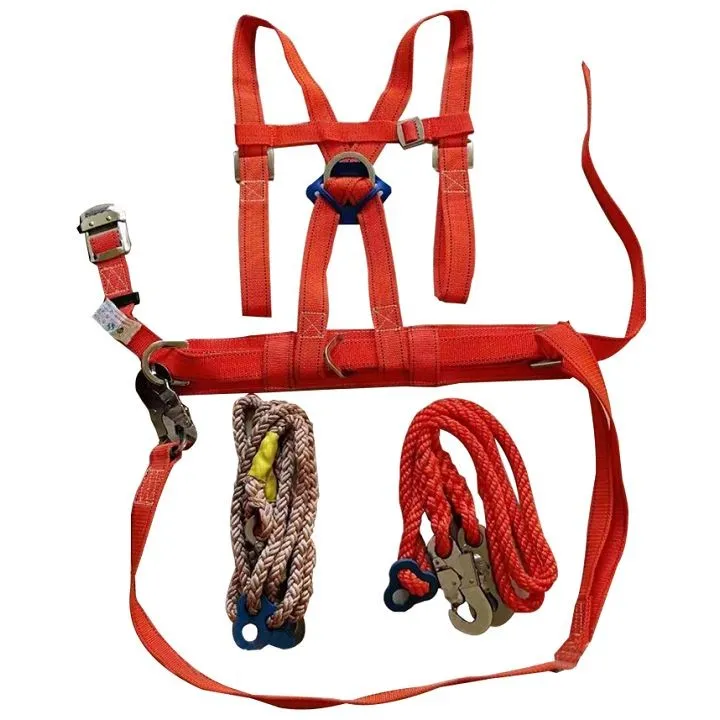
The lubricants used in fall arresters also play a crucial role in their smooth operation. In cold conditions, lubricants can thicken or even solidify. This increased viscosity can impede the movement of the internal components, causing the fall arrester to operate sluggishly or not at all. If a worker were to fall while the fall arrester is affected by thickened lubricant, the device may not engage quickly enough to prevent a serious injury.
Another aspect to consider is the effect of cold on the webbing or cable used in the fall arrester. Synthetic webbing can become stiffer in cold temperatures, which may affect its ability to stretch and absorb the energy of a fall. Similarly, steel cables can contract, potentially altering the tension within the fall arrester system and affecting its overall performance.
The Impact of Extreme Heat on Fall Arresters
On the other end of the temperature spectrum, extreme heat can also pose significant challenges to fall arresters. High temperatures can cause materials to expand. In the case of fall arresters, this expansion can lead to increased friction between the moving parts. The excess friction can make the device harder to operate and may cause premature wear and tear on the components.
Heat can also degrade the materials used in the fall arrester. For instance, synthetic webbing may start to weaken or melt at high temperatures. This can compromise the integrity of the webbing, reducing its strength and its ability to support the weight of a falling worker. Additionally, the heat can cause the lubricants to thin out, reducing their effectiveness in protecting the internal components from friction and wear.
Electrical components, if present in some advanced fall arresters, can also be affected by extreme heat. High temperatures can cause electrical circuits to malfunction, leading to a loss of functionality in features such as automatic braking or monitoring systems.
Testing and Certification for Extreme Temperatures
To ensure the reliability of fall arresters in extreme temperatures, manufacturers conduct rigorous testing. These tests simulate the conditions of extreme cold and heat to evaluate the performance of the devices. For example, a fall arrester may be tested in a temperature - controlled chamber at temperatures as low as - 40°C or as high as 70°C.
Certification bodies also play a vital role in ensuring the safety of fall arresters. They set standards for performance under different temperature conditions. When choosing a fall arrester for use in extreme temperatures, it is essential to look for products that are certified to meet these standards. Our fall arresters are designed and tested to meet the highest industry standards, ensuring their reliability in a wide range of temperature conditions.
Mitigating the Risks
When using fall arresters in extreme temperatures, there are several steps that can be taken to mitigate the risks. First, proper storage is crucial. Fall arresters should be stored in a temperature - controlled environment when not in use. This helps to prevent damage to the components caused by extreme temperatures.
Regular inspections are also essential. Before each use, workers should visually inspect the fall arrester for any signs of damage, such as cracks in the housing, frayed webbing, or stiff moving parts. In extreme temperature conditions, these inspections should be more frequent.
In some cases, it may be necessary to use special fall arresters designed specifically for extreme temperatures. These devices are often made with materials that are more resistant to the effects of cold or heat. For example, they may use low - temperature lubricants or high - temperature - resistant plastics.
Conclusion and Call to Action
In conclusion, extreme temperatures can have a significant impact on the performance of fall arresters. Whether it's the cold - induced brittleness of components or the heat - related degradation of materials, these factors can pose serious risks to workers' safety. As a supplier of high - quality fall arresters, we understand the importance of providing products that can withstand these challenging conditions.
Our Lifeline Fall Arrester, Fall Arrest Block 15m, and Inertia Reel Fall Restraint are designed and tested to perform reliably in a wide range of temperatures. If you are in need of fall arresters for your workplace, especially in extreme temperature environments, we encourage you to reach out to us for more information. We can provide you with detailed product specifications, testing data, and guidance on the best fall arresters for your specific needs. Contact us to discuss your requirements and let us help you ensure the safety of your workers.
References
- "Safety Standards for Fall Arrest Systems in Extreme Environments," Occupational Safety and Health Administration (OSHA).
- "Material Science and Engineering: An Introduction," William D. Callister Jr.
- "Testing and Certification of Fall Protection Equipment," International Safety Equipment Association (ISEA).


