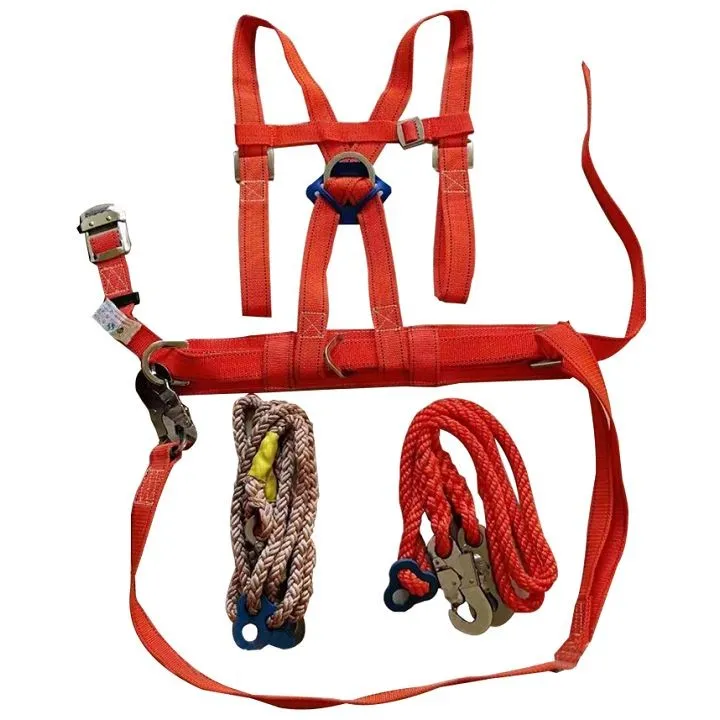
When it comes to workplace safety, anti - fall safety devices are an indispensable part of protecting workers from the serious risks associated with working at heights. As a supplier of anti - fall safety devices, I often receive inquiries about the cost of these crucial safety tools. In this blog, I'll delve into the factors that influence the cost of anti - fall safety devices and provide a general overview of the price ranges.
Factors Affecting the Cost of Anti - Fall Safety Devices
1. Type of Device
There are various types of anti - fall safety devices available in the market, each designed for specific applications. For instance, a Ladder Fall Protection Device is tailored to prevent falls when workers are using ladders. These devices usually come with a simple yet effective mechanism that engages when a fall is detected, arresting the fall quickly.
On the other hand, a Lifeline Fall Arrester is used in conjunction with a lifeline system. It allows workers to move along the lifeline while providing fall protection. The complexity of the design and the technology involved in a lifeline fall arrester make it relatively more expensive than a basic ladder fall protection device.
A Fall Arrest Block 15m is another type of device. It is typically used in construction sites or industrial settings where workers need to work at significant heights. The length of the fall arrest block and its ability to handle different fall scenarios contribute to its cost.
2. Quality and Brand
The quality of an anti - fall safety device is of utmost importance. High - quality devices are made from durable materials that can withstand harsh working conditions and multiple uses. Brands that have a reputation for reliability and safety often charge a premium for their products. This is because they invest heavily in research and development, testing, and quality control to ensure that their devices meet or exceed industry standards.
For example, a well - known brand might use advanced materials like high - strength alloys in their fall arresters, which can increase the cost but also provide better performance and longevity. Cheaper alternatives may use lower - quality materials, which could compromise the safety of the user.
3. Standards and Certifications
Anti - fall safety devices must comply with various national and international safety standards. Devices that are certified to meet these standards are generally more expensive. For example, in the United States, the Occupational Safety and Health Administration (OSHA) has specific requirements for fall protection equipment. In Europe, the CE marking indicates that a product meets the essential health and safety requirements of the European Union.
Obtaining these certifications involves rigorous testing and documentation, which adds to the cost of production. However, it is crucial to purchase certified devices as they provide assurance that the product has been tested and proven to work effectively in preventing falls.
4. Additional Features
Some anti - fall safety devices come with additional features that can increase their cost. For example, some fall arresters may have a built - in shock absorber that reduces the impact force on the user during a fall. Others may have a self - retracting mechanism that automatically adjusts the length of the lifeline as the worker moves.
These additional features enhance the functionality and safety of the device but also contribute to the overall cost. Depending on the specific needs of the workplace, these features may or may not be necessary.

Price Ranges of Anti - Fall Safety Devices
1. Basic Ladder Fall Protection Devices
Basic ladder fall protection devices can range from $50 to $200. These devices are usually simple in design and are suitable for light - duty applications. They are often used in residential or small - scale commercial settings where the risk of fall is relatively low.
2. Lifeline Fall Arresters
Lifeline fall arresters typically cost between $200 and $800. The price can vary depending on the length of the lifeline, the type of mechanism (e.g., self - retracting or manual), and the quality of the materials used. High - end lifeline fall arresters with advanced features and longer lifelines can be on the higher end of this price range.
3. Fall Arrest Blocks
Fall arrest blocks, especially those with a longer length like the 15m fall arrest block, can cost anywhere from $300 to $1500. The cost depends on factors such as the maximum working load, the type of connection system, and the quality of the components. Larger and more heavy - duty fall arrest blocks designed for industrial use are generally more expensive.
Cost - Benefit Analysis
While the cost of anti - fall safety devices may seem significant, it is essential to consider the potential cost of not using them. A workplace fall can result in serious injuries or even fatalities, which can lead to costly medical bills, legal liabilities, and lost productivity.
Investing in high - quality anti - fall safety devices can actually save money in the long run. By preventing falls, these devices reduce the risk of accidents and their associated costs. Additionally, providing a safe working environment can improve employee morale and productivity, which can have a positive impact on the bottom line of a business.
Conclusion
The cost of anti - fall safety devices varies widely depending on several factors, including the type of device, quality, brand, standards, and additional features. As a supplier, I understand that businesses are always looking for cost - effective solutions, but safety should never be compromised.
If you are in the market for anti - fall safety devices, I encourage you to contact me for more information. I can help you select the right devices for your specific needs and provide you with a competitive quote. Whether you are a small business or a large industrial corporation, ensuring the safety of your workers is our top priority. Let's work together to create a safer workplace.
References
- Occupational Safety and Health Administration (OSHA). Fall Protection Standards.
- European Union. CE Marking Regulations for Personal Protective Equipment.
- Industry reports on the market for anti - fall safety devices.