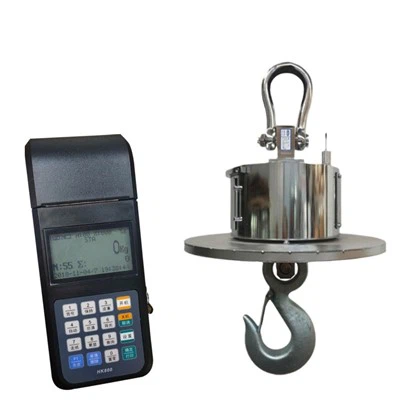
As a seasoned supplier of hoisting devices, I've witnessed firsthand the intricate web of factors that influence the price of these essential pieces of equipment. Hoisting devices, ranging from electric chain hoists to heavy-duty portable winches, are crucial in various industries, including construction, manufacturing, and logistics. Understanding what affects their price can help both buyers and sellers make informed decisions. In this blog, I'll delve into the key elements that determine the cost of hoisting devices.
1. Capacity and Lifting Power
One of the most significant factors affecting the price of a hoisting device is its capacity and lifting power. Hoisting devices are designed to handle different weights, and the higher the capacity, the more complex and robust the design needs to be. For instance, a 1 Ton Electric Cable Hoist is suitable for lighter loads and is generally more affordable compared to a hoist capable of lifting 10 tons or more.
The engineering and materials required to build a high-capacity hoist are more expensive. High-strength steel, advanced gears, and powerful motors are necessary to ensure the hoist can safely and efficiently lift heavy loads. Additionally, hoists with higher capacities often require more sophisticated safety features, such as overload protection and emergency stop mechanisms, which further add to the cost.
2. Type of Hoisting Device
There are several types of hoisting devices available in the market, each with its own unique features and price range. Electric chain hoists, for example, are popular for their versatility and ease of use. An Electric Chain Hoist With Pulley offers additional flexibility in lifting operations, but the inclusion of a pulley system increases the complexity and cost of the device.
On the other hand, cable hoists are known for their smooth and precise lifting. They are often used in applications where accuracy is crucial, such as in the installation of delicate equipment. Heavy-duty portable winches, like the Heavy Duty Portable Winch, are designed for rugged outdoor use and are built to withstand harsh conditions. Their durability and portability come at a premium price.
3. Brand and Reputation
The brand and reputation of the hoisting device manufacturer also play a significant role in determining the price. Well-established brands with a long history of producing high-quality and reliable hoisting devices tend to charge more for their products. These brands invest heavily in research and development, quality control, and customer support, which are reflected in the price.
Buyers are often willing to pay a higher price for a trusted brand because they have confidence in the product's performance and durability. A reputable brand is more likely to offer a comprehensive warranty and after-sales service, which provides peace of mind to the customers. However, it's important to note that there are also many lesser-known brands that offer good-quality hoisting devices at a more affordable price.
4. Quality of Materials and Components
The quality of materials and components used in the construction of a hoisting device has a direct impact on its price. High-quality materials, such as forged steel chains, precision gears, and durable motors, are more expensive but offer better performance and longer lifespan. Cheaper materials may result in a lower initial cost, but they are more likely to wear out quickly and require frequent maintenance or replacement.
In addition to the materials, the quality of the manufacturing process also affects the price. Hoisting devices that are manufactured using advanced techniques and strict quality control measures are generally more expensive. These devices are less likely to have defects and are more reliable in the long run.
5. Safety Features
Safety is of utmost importance when it comes to hoisting devices. The inclusion of advanced safety features can significantly increase the price of a hoist. Some common safety features include overload protection, which prevents the hoist from lifting more weight than it is designed for, and emergency stop buttons, which allow the operator to immediately halt the lifting operation in case of an emergency.
Other safety features may include limit switches to prevent over-travel, anti-drop devices to prevent the load from falling, and brake systems to ensure the load remains stationary when the hoist is not in use. The more safety features a hoisting device has, the higher its price will be.
6. Customization and Special Requirements
If a buyer has specific customization or special requirements for a hoisting device, the price will likely increase. Customization may include modifications to the lifting capacity, speed, or control system of the hoist. For example, a customer may require a hoist with a special lifting height or a unique control interface.
Special requirements, such as explosion-proof or corrosion-resistant hoists for use in hazardous environments, also add to the cost. These hoists need to be designed and manufactured to meet strict safety standards, which often involves the use of specialized materials and components.
7. Market Demand and Supply
The basic economic principle of supply and demand also affects the price of hoisting devices. When the demand for hoisting devices is high and the supply is limited, the prices tend to go up. This can happen during periods of high construction activity or when there is a sudden increase in the demand for hoisting devices in a particular industry.
Conversely, when the supply of hoisting devices exceeds the demand, the prices may decrease. Manufacturers may offer discounts or promotions to attract customers and clear their inventory. It's important for buyers to keep an eye on the market trends and timing their purchases accordingly to get the best deal.


8. Installation and Maintenance Costs
The cost of installing and maintaining a hoisting device should also be considered when evaluating its overall price. Some hoisting devices may require professional installation, which can add to the total cost. Additionally, regular maintenance is necessary to ensure the safe and efficient operation of the hoist.
The maintenance cost includes the cost of replacement parts, lubricants, and labor. Hoisting devices that are easy to maintain and have readily available replacement parts are generally more cost-effective in the long run.
In conclusion, the price of a hoisting device is influenced by a variety of factors, including capacity, type, brand, quality of materials, safety features, customization, market demand, and installation and maintenance costs. As a supplier, I understand the importance of providing high-quality hoisting devices at a competitive price. If you're in the market for a hoisting device, I encourage you to contact me to discuss your specific requirements and get a personalized quote. I'm committed to helping you find the right hoisting solution that meets your needs and budget.
References
- Crane & Hoist Association of America. (2023). Industry standards for hoisting devices.
- Engineering Handbook of Lifting Equipment. (2022). A comprehensive guide to hoisting technology.
- International Organization for Standardization (ISO). (2021). Safety standards for hoisting devices.