

Hey there! As a supplier of Lifeline Fall Arresters, I've seen firsthand how important these devices are for ensuring safety at heights. A well - maintained fall arrester can be the difference between a close call and a serious accident. So, let's dive into some maintenance tips for Lifeline Fall Arresters.

Regular Visual Inspections
First things first, you gotta do regular visual inspections. You don't need to be a rocket scientist to spot obvious issues. Start by checking the housing of the Lifeline Fall Arrester. Look for any cracks, dents, or signs of corrosion. A cracked housing can compromise the structural integrity of the device, making it less reliable when you need it most.
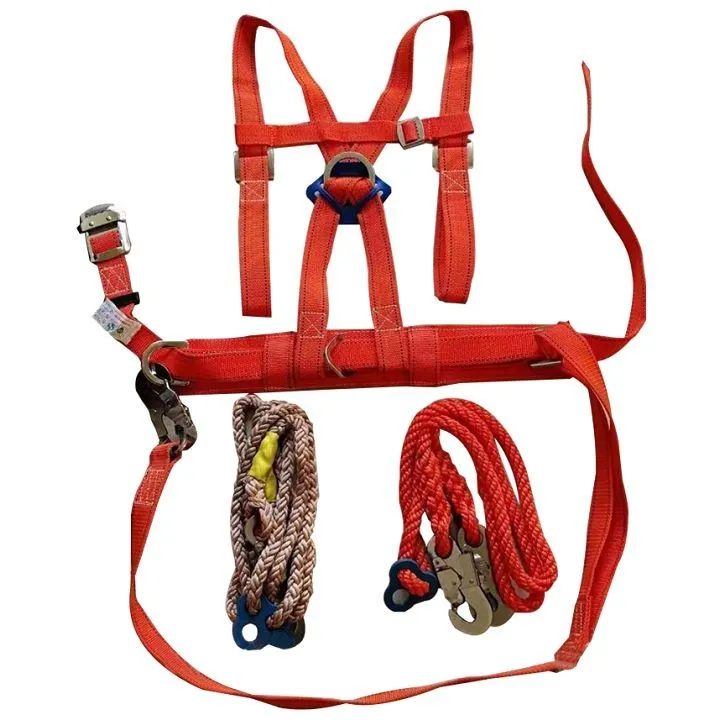
Next, take a good look at the cable or webbing. The cable should be free from cuts, frays, or kinks. If you notice any damage to the cable, it's a no - go. Replace it right away. The webbing should also be in good condition. Check for any signs of wear, like thinning or discoloration. And don't forget to examine the connection points. Make sure the hooks, carabiners, and other connectors are not bent, damaged, or worn out.
Cleaning
Cleaning your fall arrester is super important. Dirt, dust, and debris can build up over time and affect the performance of the device. Use a mild soap and water solution to clean the housing and the cable or webbing. Avoid using harsh chemicals or solvents, as they can damage the materials. Gently scrub the parts with a soft brush, and then rinse them thoroughly with clean water. After cleaning, make sure to dry the fall arrester completely before storing it.
Lubrication
Lubrication is another key aspect of maintenance. But you gotta be careful with what you use. Use only the lubricants recommended by the manufacturer. Apply the lubricant to the moving parts, like the gears, pulleys, and springs. This will help reduce friction and ensure smooth operation. Too much lubricant can attract dirt and debris, so use it sparingly.
Function Testing
You can't just rely on visual inspections and cleaning. You need to test the functionality of your fall arrester regularly. Follow the manufacturer's instructions for testing. Usually, this involves a simple drop test or a test using a test weight. Make sure to perform these tests in a safe environment, away from any hazards. If the fall arrester fails the test, don't use it. Have it repaired or replaced immediately.
Storage
Proper storage is crucial for maintaining the lifespan of your fall arrester. Store it in a cool, dry place, away from direct sunlight and extreme temperatures. Avoid storing it in areas where it can be exposed to moisture, chemicals, or physical damage. You can use a storage bag or a case to protect the fall arrester. And make sure to hang it up or store it in a way that doesn't put stress on the cable or webbing.
Record Keeping
Keep a record of all the maintenance activities. This includes the dates of inspections, cleaning, lubrication, and testing. It also includes any repairs or replacements that you've made. Having a maintenance log will help you keep track of the condition of your fall arrester and ensure that you're following the recommended maintenance schedule.
Training
Last but not least, make sure that the people using the fall arresters are properly trained. They should know how to inspect, clean, and maintain the devices. Training can also help prevent misuse and ensure that the fall arresters are used correctly.
Now, if you're in the market for a high - quality Self Retractable Fall Arrester or an Elevator Fall Arrester, we've got you covered. We offer a wide range of fall arresters that are designed to meet the highest safety standards. Our products are reliable, durable, and easy to maintain.
If you're interested in learning more about our products or have any questions about fall arrester maintenance, don't hesitate to reach out. We're here to help you ensure the safety of your workers and your operations. Contact us for more information and to start a procurement discussion.
References
- Fall Protection Equipment Manufacturer's Association (FPEMA) Guidelines
- OSHA Regulations on Fall Protection Equipment Maintenance
So, there you have it, folks. These are the main maintenance tips for Lifeline Fall Arresters. By following these tips, you can keep your fall arresters in top condition and ensure the safety of everyone working at heights.


