What is a Fall Arrester?
In the realm of workplace safety, fall arresters stand as crucial guardians, protecting workers from the potentially catastrophic consequences of falls from height. As a supplier of fall arresters, I have witnessed firsthand the importance of these devices in various industries. In this blog post, I will delve into what a fall arrester is, how it works, its different types, and why it is an essential component of any fall protection system.
Understanding the Basics of a Fall Arrester
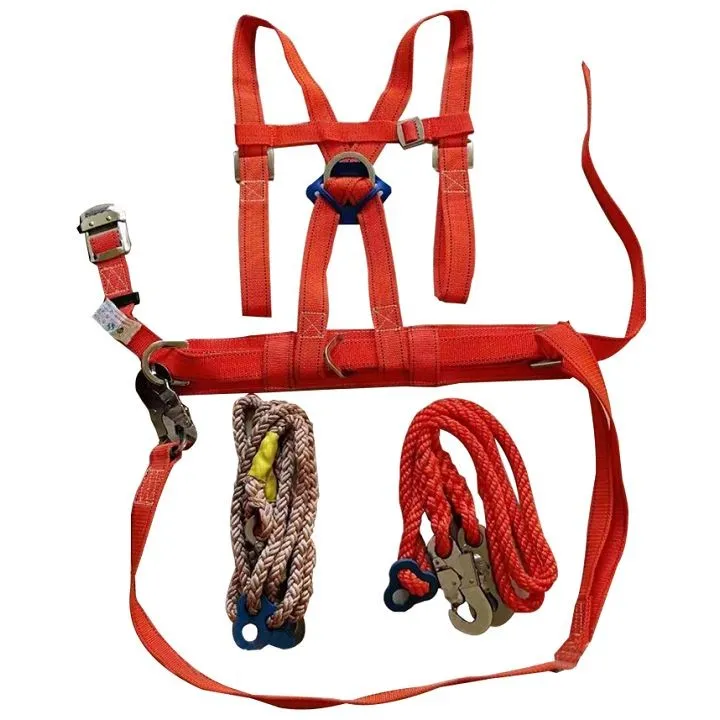
A fall arrester is a safety device designed to stop a person in mid - fall, limiting the forces exerted on the body to a safe level. When a worker falls from a height, the fall arrester activates and arrests the fall, preventing serious injury or even death. It is a critical part of a comprehensive fall protection system, which also includes personal protective equipment (PPE) such as safety harnesses and lanyards.
The primary function of a fall arrester is to reduce the free - fall distance and the impact forces on the body. Free - fall is the distance a person falls before the fall arrester starts to engage. The shorter the free - fall distance, the lower the impact forces on the body. A well - designed fall arrester can limit the impact force to within the acceptable range for the human body, typically around 6 kN (kilonewtons) or less.
How Does a Fall Arrester Work?
Fall arresters operate on the principle of mechanical or hydraulic braking. There are several common mechanisms used in fall arresters:
Mechanical Braking
Mechanical fall arresters often use a ratchet or a centrifugal clutch system. When a fall occurs, the rapid rotation of a spool or a drum activates the braking mechanism. For example, in a centrifugal clutch system, as the speed of the drum increases due to the fall, the centrifugal force causes weights to move outward. These weights then engage with a braking surface, slowing down and eventually stopping the fall.
Hydraulic Braking
Hydraulic fall arresters use a hydraulic fluid to create resistance. When a fall starts, the movement of a piston through the hydraulic fluid generates a braking force. The flow of the hydraulic fluid is controlled to provide a smooth and consistent deceleration, reducing the impact on the falling person.
Types of Fall Arresters
There are several types of fall arresters available in the market, each designed for specific applications:
Fall Arrest Block
A Fall Arrest Block 15m is a popular type of fall arrester. It is typically used in conjunction with a safety harness and a lanyard. The fall arrest block is attached to an anchor point, and the lanyard connects the worker's harness to the fall arrest block. When a fall occurs, the fall arrest block activates and stops the fall. These blocks are often used in construction, maintenance, and industrial settings where workers need to move around at height.
Lifeline Fall Arrester
Lifeline Fall Arrester is designed to be used with a horizontal or vertical lifeline. A horizontal lifeline is a cable or a rope that is installed horizontally between two anchor points, allowing workers to move along it while being protected. A vertical lifeline is used for workers moving up and down a structure. The lifeline fall arrester slides along the lifeline and activates when a fall occurs, stopping the worker's descent.
Anti - Fall Safety Devices
Anti Fall Safety Devices encompass a wide range of products, including self - retracting lifelines (SRLs), which are a type of fall arrester. SRLs are compact and easy to use. They consist of a housing that contains a cable or a webbing which is attached to the worker's harness. The SRL automatically retracts the cable or webbing as the worker moves, and in case of a fall, it locks instantly to arrest the fall.

Importance of Fall Arresters in the Workplace
The importance of fall arresters in the workplace cannot be overstated. Falls from height are one of the leading causes of serious injury and death in many industries, including construction, manufacturing, and utilities. Here are some reasons why fall arresters are essential:
Protecting Workers' Lives
The most obvious benefit of fall arresters is that they save lives. By stopping a fall and reducing the impact forces on the body, fall arresters can prevent fatal injuries and serious trauma such as broken bones, spinal cord injuries, and head injuries.
Compliance with Safety Regulations
Many countries and regions have strict safety regulations regarding fall protection in the workplace. Employers are required to provide appropriate fall protection equipment, including fall arresters, to ensure the safety of their workers. Using fall arresters helps companies comply with these regulations and avoid costly fines and legal issues.
Increasing Productivity
When workers feel safe, they are more likely to be productive. Knowing that they are protected by a reliable fall arrester, workers can focus on their tasks without the constant fear of falling. This can lead to increased efficiency and better quality work.
Factors to Consider When Choosing a Fall Arrester
When selecting a fall arrester for your workplace, there are several factors to consider:
Working Environment
The type of work environment will determine the most suitable fall arrester. For example, in a construction site with a lot of movement, a fall arrest block or an SRL may be more appropriate. In a confined space or a vertical climbing application, a lifeline fall arrester may be the better choice.
Load Capacity
The fall arrester must be able to support the weight of the worker and any additional equipment they may be carrying. Make sure to check the load capacity rating of the fall arrester before purchasing.
Compatibility
The fall arrester should be compatible with other components of the fall protection system, such as safety harnesses and lanyards. It is important to ensure that all parts work together seamlessly to provide effective protection.
Durability and Reliability
Choose a fall arrester that is made of high - quality materials and has a proven track record of reliability. A durable fall arrester will last longer and require less maintenance, saving you money in the long run.
Maintenance and Inspection of Fall Arresters
Proper maintenance and inspection of fall arresters are essential to ensure their continued effectiveness. Here are some maintenance and inspection tips:
Regular Inspections
Inspect fall arresters before each use and at regular intervals. Check for any signs of damage, such as cracks, frayed cables, or worn - out parts. If any damage is found, the fall arrester should be taken out of service immediately and either repaired or replaced.
Cleaning
Keep the fall arrester clean to prevent dirt and debris from affecting its performance. Use a mild detergent and water to clean the device, and make sure it is completely dry before using it again.
Storage
Store fall arresters in a dry, cool place away from direct sunlight and chemicals. This will help prevent corrosion and damage to the device.
Conclusion
Fall arresters are an indispensable part of workplace safety. They play a vital role in protecting workers from the dangers of falls from height, ensuring compliance with safety regulations, and increasing productivity. As a supplier of fall arresters, I am committed to providing high - quality, reliable products that meet the diverse needs of different industries.
If you are in need of fall arresters for your workplace, I encourage you to reach out to discuss your specific requirements. Our team of experts can help you choose the most suitable fall arresters and provide you with all the necessary information and support. Contact us today to start the procurement process and ensure the safety of your workers.
References
- OSHA (Occupational Safety and Health Administration). Fall Protection Standards.
- ANSI (American National Standards Institute). Standards for Fall Protection Equipment.
- European Union. Safety Regulations for Workplace Fall Protection.