

Hey there! As a supplier of Folding Jib Cranes, I often get asked about the different components and their functions. One question that pops up quite a bit is about the limit switch on a folding jib crane. So, let's dive right in and explore what the limit switch does and why it's so important.
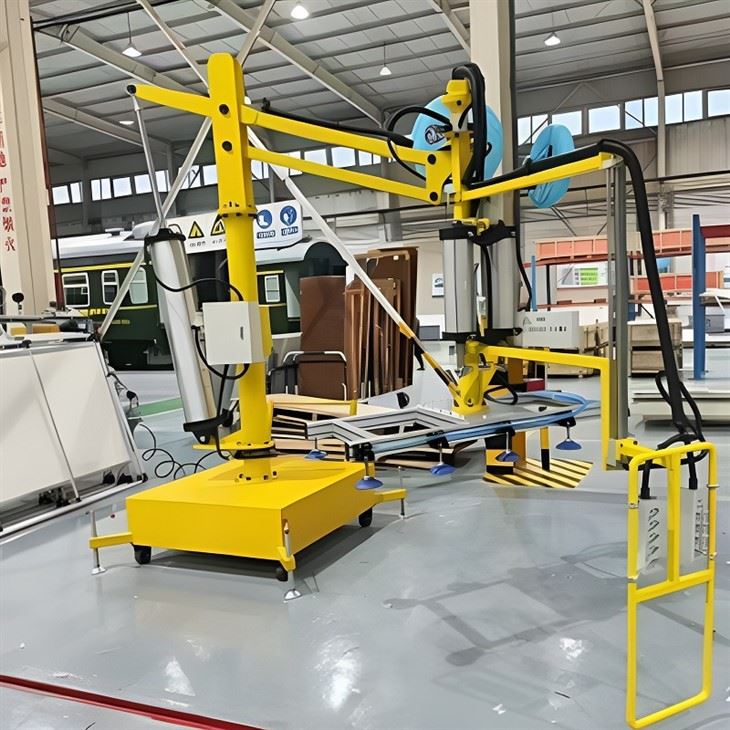

What's a Limit Switch Anyway?
First things first, a limit switch is a type of electromechanical device. It's basically a switch that gets triggered when it comes into contact with an object. In the context of a folding jib crane, it acts as a safety and control mechanism. It's designed to detect the position of different parts of the crane, like the jib arm when it's being raised, lowered, or folded.
Safety First: Preventing Over - Travel
One of the primary functions of the limit switch on a folding jib crane is to prevent over - travel. You know, when the jib arm moves beyond its intended range. This can be super dangerous. If the jib arm goes too high, it could hit the ceiling or other overhead structures. On the other hand, if it goes too low, it might crash into the ground or other equipment below.
The limit switch acts as a safeguard. When the jib arm reaches its pre - set maximum or minimum position, the limit switch gets activated. Once it's triggered, it sends a signal to the crane's control system. This signal then stops the movement of the jib arm, preventing any potential damage or accidents. It's like having a watchful guardian that keeps the crane's movements in check.
Precise Positioning
Another cool thing about the limit switch is that it helps with precise positioning. In many industrial applications, you need to place loads at very specific locations. The limit switch allows you to set exact positions for the jib arm. For example, if you're loading and unloading materials from a conveyor belt, you can set the limit switch so that the jib arm stops exactly at the right height and angle to pick up or drop off the load.
This precision is crucial for efficiency. It reduces the time and effort needed to manually adjust the crane's position. Instead of constantly making small adjustments, the limit switch ensures that the jib arm goes straight to the desired position every time.
Protecting the Crane's Components
The limit switch also plays a vital role in protecting the crane's components. When the jib arm moves beyond its normal range, it puts a lot of stress on the crane's mechanical and electrical parts. This can lead to premature wear and tear, and in some cases, even cause permanent damage.
By stopping the jib arm at the right time, the limit switch reduces the stress on these components. It helps to extend the lifespan of the crane, which is a big plus for any business. After all, replacing or repairing crane components can be expensive and time - consuming.
Different Types of Limit Switches
There are a few different types of limit switches that can be used on a folding jib crane. One common type is the mechanical limit switch. This type of switch has a physical actuator, like a lever or a roller. When the jib arm comes into contact with the actuator, it causes the switch to open or close, depending on its design.
Another type is the proximity limit switch. These switches use electromagnetic fields or infrared light to detect the presence of an object. They don't require physical contact with the jib arm, which can be an advantage in some situations. Proximity limit switches are often more reliable and have a longer lifespan compared to mechanical limit switches.
Installation and Maintenance
Proper installation and maintenance of the limit switch are essential. When installing the limit switch, it's important to make sure that it's positioned correctly. If it's not installed in the right place, it might not be able to accurately detect the position of the jib arm.
Regular maintenance is also crucial. You should check the limit switch periodically to make sure that it's working properly. Look for any signs of damage, like worn - out contacts or loose connections. If you notice any issues, it's important to address them right away to avoid any problems with the crane's operation.
Related Products
If you're in the market for other types of lifting equipment, we also offer some great options. Check out our Pneumatic Manipulator Arm. It's a versatile tool that can handle a variety of loads with ease. We also have the Portable Articulated Jib Crane, which is perfect for applications where you need to move the crane around. And for lighter loads, our Light Duty Jib Crane is a great choice.
Let's Talk Business
If you're interested in our folding jib cranes or any of our other products, I'd love to hear from you. Whether you have questions about the limit switch or need help choosing the right crane for your specific needs, I'm here to assist. Contact us to start a conversation about your requirements and let's work together to find the perfect solution for your business.
References
- Crane Handbook: Engineering and Operation, by John A. Riggs
- Industrial Lifting Equipment: Principles and Applications, by David M. Smith


