Can a steel crane scale be used in high - temperature environments?
As a supplier of steel crane scales, I often encounter inquiries from customers about the suitability of our products in various working conditions, especially high - temperature environments. This is a crucial question because many industrial applications, such as foundries, steel mills, and glass manufacturing plants, involve high - temperature operations. In this blog post, I will delve into the topic of whether a steel crane scale can be used in high - temperature environments, exploring the factors at play and providing some practical advice.
The Basics of Steel Crane Scales
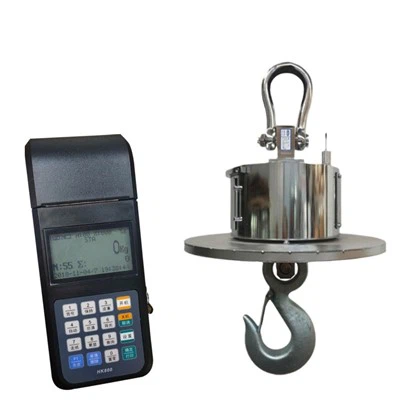
Before discussing high - temperature usage, let's briefly understand what a steel crane scale is. A steel crane scale is a device used to measure the weight of heavy loads suspended from a crane. It is typically made of high - strength steel, which provides durability and stability. There are different types of steel crane scales available in the market, such as Portable Digital Hanging Scale, Stainless Steel Crane Scale, and Digital Crane Scale 5 Ton. These scales are equipped with load cells, which are the key components responsible for converting the force exerted by the load into an electrical signal that can be measured and displayed.
Challenges in High - Temperature Environments
High - temperature environments pose several challenges to the performance and longevity of steel crane scales.
Impact on Load Cells
Load cells are the most critical and sensitive components of a crane scale. They are designed to operate within a specific temperature range. In high - temperature environments, the physical properties of the materials used in load cells can change. For example, the elasticity modulus of the metal in the load cell may decrease, leading to inaccurate weight measurements. The electrical resistance of the strain gauges (a part of the load cell) can also be affected by temperature, causing drift in the output signal. This drift can result in significant errors in weight readings, which is unacceptable in industries where precise weight measurements are crucial for quality control and safety.
Structural Integrity
The high - strength steel used in the construction of the crane scale can also be affected by high temperatures. Prolonged exposure to high heat can cause the steel to expand, which may lead to mechanical stress on the scale's structure. If the expansion is not properly accounted for, it can result in deformation of the scale, affecting its accuracy and potentially causing damage to other components. Additionally, high temperatures can accelerate the corrosion process of the steel, reducing its strength and durability over time.
Electronic Components
Modern steel crane scales are often equipped with electronic components for data processing, display, and communication. These components are sensitive to temperature. High temperatures can cause the electronic circuits to malfunction, leading to issues such as incorrect display readings, loss of data, or even complete failure of the scale. The internal batteries of the scale, if it is a battery - powered model, can also be negatively affected by high temperatures, reducing their capacity and lifespan.
Factors Affecting Suitability
Several factors determine whether a steel crane scale can be used in a high - temperature environment.


Temperature Range
The first and most obvious factor is the actual temperature of the environment. Different steel crane scales are designed to operate within different temperature ranges. Some standard models may be suitable for temperatures up to 50 - 60 degrees Celsius, while specialized high - temperature models can withstand temperatures of up to 200 degrees Celsius or more. It is essential to know the maximum temperature of the working environment and choose a scale that is rated for that temperature range.
Duration of Exposure
The length of time the scale is exposed to high temperatures also matters. Short - term exposure to high temperatures may not cause significant damage, but continuous or repeated exposure over an extended period can have a cumulative effect on the scale's performance and components. For example, if a scale is only briefly exposed to high - temperature conditions during the loading and unloading process, it may be able to tolerate the heat better than if it is constantly in a high - temperature area.
Heat Source and Distribution
The nature of the heat source and how the heat is distributed in the environment can impact the scale. If the heat source is direct, such as from a furnace, the scale may experience more intense heat in certain areas, leading to uneven thermal expansion and potential damage. In contrast, if the heat is more evenly distributed, the scale may be able to handle the temperature more effectively.
Solutions for High - Temperature Use
Despite the challenges, there are ways to use steel crane scales in high - temperature environments.
Specialized High - Temperature Scales
Some manufacturers, including us, offer specialized high - temperature steel crane scales. These scales are designed with materials and components that can withstand high temperatures. For example, the load cells in these scales are made of materials with high - temperature stability, and the electronic components are encapsulated in heat - resistant materials. These specialized scales are more expensive than standard models, but they provide reliable performance in high - temperature environments.
Heat Shielding and Cooling
Another solution is to use heat shielding and cooling mechanisms. Heat shields can be installed around the scale to reduce the direct exposure to high - temperature sources. These shields can be made of materials such as ceramic fiber or stainless steel, which have good heat - insulating properties. Cooling systems, such as air - cooling or water - cooling, can also be used to maintain the temperature of the scale within an acceptable range. However, these additional measures require careful design and installation to ensure that they do not interfere with the normal operation of the scale.
Regular Maintenance and Inspection
Regular maintenance and inspection are crucial when using a steel crane scale in a high - temperature environment. This includes checking the scale for any signs of damage or deformation, calibrating the scale regularly to ensure accurate measurements, and replacing any worn - out components in a timely manner. By performing regular maintenance, the lifespan of the scale can be extended, and the risk of unexpected failures can be reduced.
Conclusion
In conclusion, while using a steel crane scale in a high - temperature environment is challenging, it is possible with the right approach. The suitability of a scale depends on various factors such as the temperature range, duration of exposure, and heat source. Specialized high - temperature scales, heat shielding, cooling, and regular maintenance are all effective solutions to overcome the challenges posed by high - temperature environments.
If you are considering using a steel crane scale in a high - temperature environment, we are here to help. Our team of experts can provide you with detailed information about our products and recommend the most suitable scale for your specific needs. We also offer comprehensive after - sales support to ensure that your scale operates smoothly and accurately. Contact us to start a discussion about your procurement requirements, and let's work together to find the best solution for your business.
References
- ASTM International. (2019). ASTM standards related to weighing equipment and materials for high - temperature applications.
- Crane Scale Manufacturers Association. (2020). Guidelines for using crane scales in extreme environments.
- Journal of Industrial Weighing Technology. (2018 - 2022). Various articles on the impact of high temperatures on weighing equipment.