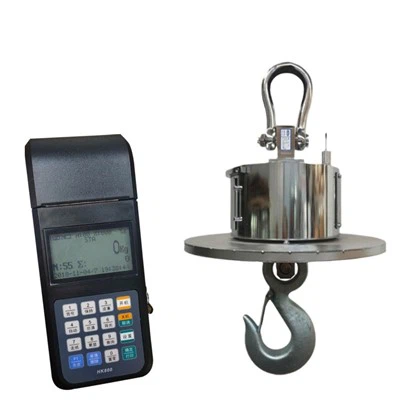
When it comes to heavy - duty pulling tasks such as moving containers, the question of whether an electric pulley winch can be used is a valid one. As a supplier of Electric Pulley Winches, I've had numerous inquiries about this application, and I'm here to provide a detailed analysis.


Understanding Electric Pulley Winches
Electric pulley winches are mechanical devices that use an electric motor to wind a rope or cable around a drum. They are designed to provide a significant amount of pulling force in a controlled manner. These winches come in various sizes and capacities, which makes them suitable for a wide range of applications.
The basic components of an electric pulley winch include the electric motor, the gearbox, the drum, and the control system. The electric motor provides the power, the gearbox reduces the speed and increases the torque, the drum stores the rope or cable, and the control system allows the operator to start, stop, and reverse the winch.
Feasibility of Using Electric Pulley Winches for Pulling Containers
Advantages
- Power and Force: Electric pulley winches can generate a substantial amount of pulling force. For example, our 1.5 Ton Electric Winch is capable of pulling loads up to 1.5 tons. Larger models like the Electric Wire Rope Hoist 10Ton can handle even heavier loads, which are often required when pulling containers.
- Control: Electric winches offer precise control over the pulling process. With a control system, operators can start, stop, and adjust the speed of the winch as needed. Our Variable Speed Hoist Winch allows for smooth and controlled pulling, which is crucial when handling large and heavy containers.
- Safety: Modern electric pulley winches are equipped with safety features such as overload protection and emergency stop buttons. These features ensure the safety of the operators and the integrity of the container during the pulling process. Our Electric Hoist Winch with Remote Control allows operators to control the winch from a safe distance, further enhancing safety.
- Portability: Some electric winches, like our Heavy Duty Portable Winch, are designed to be portable. This means they can be easily moved to different locations, making them suitable for various container - pulling scenarios, whether in a warehouse, a shipping yard, or a construction site.
Limitations
- Power Source: Electric winches require a reliable power source. In some remote locations or areas with unstable power supply, this can be a challenge. However, there are battery - powered options available, but they may have limited operating time.
- Terrain and Surface: The effectiveness of an electric pulley winch in pulling containers depends on the terrain and surface conditions. If the surface is uneven, slippery, or has a high coefficient of friction, it may require more power to pull the container.
- Container Design and Weight Distribution: Containers come in different shapes, sizes, and weight distributions. Some containers may have a design that makes it difficult to attach the winch cable properly, or the weight may be unevenly distributed, which can affect the pulling process.
Factors to Consider When Using Electric Pulley Winches for Pulling Containers
- Winch Capacity: It is crucial to select a winch with a capacity that can handle the weight of the container. Overloading the winch can lead to damage and safety hazards. Consider the maximum weight of the container, including its contents, and choose a winch with a capacity that exceeds this weight.
- Cable Length and Strength: The cable used with the winch should be long enough to reach the container and strong enough to withstand the pulling force. The cable's strength is determined by its material and diameter. Make sure to use a cable that is appropriate for the winch and the container - pulling task.
- Mounting and Anchoring: The winch needs to be properly mounted and anchored to a stable structure. This ensures that the winch can transfer the pulling force effectively without moving or tipping over. The mounting and anchoring points should be able to withstand the maximum pulling force of the winch.
- Operator Training: Operators should be trained on how to use the electric pulley winch safely and effectively. They should understand the control system, the safety features, and the proper procedures for attaching the cable to the container.
Case Studies
In a large shipping yard, an electric pulley winch was used to pull containers from the storage area to the loading dock. The 10 - ton Electric Wire Rope Hoist was selected for its high capacity. The winch was mounted on a sturdy frame and connected to the container using a strong cable. The operator used the remote control to start the winch and slowly pulled the container to the loading dock. The precise control of the winch allowed for a smooth and efficient operation, reducing the time and effort required to move the containers.
In a construction site, a Heavy Duty Portable Winch was used to pull a small container of construction materials. The portability of the winch made it easy to move around the site. The winch was powered by a generator, which provided a reliable power source. The operator was able to quickly attach the winch to the container and pull it to the desired location.
Conclusion
In conclusion, an electric pulley winch can be used for pulling containers, but it is essential to consider the advantages, limitations, and various factors involved. With the right winch selection, proper installation, and trained operators, electric pulley winches can provide a safe and efficient solution for container - pulling tasks.
If you are interested in purchasing an electric pulley winch for your container - pulling needs, we are here to assist you. Our team of experts can help you select the most suitable winch based on your specific requirements. Contact us for more information and to start a procurement discussion.
References
- Engineering Handbook on Heavy - Duty Lifting and Pulling Devices
- Safety Guidelines for Electric Winch Operations
- Case Studies in Container Handling and Transportation