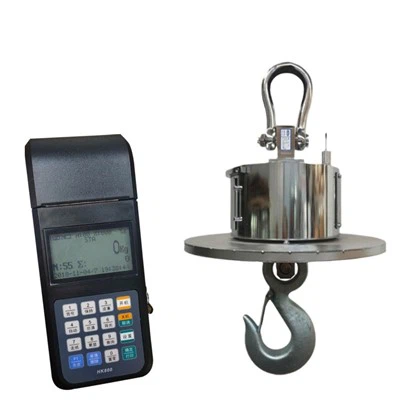
As a supplier of Electric Hoist 800kg, I often receive inquiries from customers about the working temperature range of this product. Understanding the suitable temperature conditions is crucial for the proper operation and longevity of the electric hoist. In this blog, I will delve into the working temperature range of the Electric Hoist 800kg, explain why it matters, and provide some tips on how to ensure its optimal performance under different temperature scenarios.
What is the Working Temperature Range of the Electric Hoist 800kg?
The typical working temperature range for the Electric Hoist 800kg is between -20°C to 40°C (-4°F to 104°F). This range is carefully determined based on the materials and components used in the hoist's construction.
At the lower end of the spectrum, -20°C, the hoist is designed to withstand cold environments. However, extremely low temperatures can affect the performance of the lubricants used in the moving parts. Lubricants tend to thicken in cold weather, which may increase the friction between components. This can lead to slower operation and potentially more wear and tear on the hoist.
On the other hand, at the upper limit of 40°C, high temperatures can cause the motor and other electrical components to overheat. The insulation materials in the motor may degrade faster in hot conditions, reducing the motor's efficiency and lifespan. Additionally, the heat can also impact the strength of the structural components, such as the steel frame and the wire rope, potentially compromising the safety and reliability of the hoist.


Why Does the Working Temperature Range Matter?
Operating the Electric Hoist 800kg within its specified temperature range is essential for several reasons. Firstly, it ensures the safety of the operators and the surrounding environment. If the hoist overheats due to high temperatures, it may malfunction, leading to unexpected drops of the load, which can cause serious accidents. Similarly, in extremely cold conditions, the thickening of lubricants can result in jerky movements or even jams, posing a risk to both the equipment and the personnel.
Secondly, staying within the recommended temperature range helps to maintain the performance and efficiency of the hoist. When the hoist operates under optimal temperature conditions, the motor runs smoothly, the moving parts experience less friction, and the overall energy consumption is reduced. This not only saves on operational costs but also extends the service life of the hoist.
Finally, adhering to the working temperature range is crucial for warranty purposes. Most manufacturers, including us as a supplier of Electric Hoist 800kg, stipulate that the warranty is only valid if the hoist is used within the specified temperature limits. If the hoist is damaged due to operation outside this range, the warranty may be voided.
Tips for Operating the Electric Hoist 800kg in Different Temperatures
Cold Environments
- Pre - heating: Before starting the hoist in cold weather, it is advisable to let the motor run idle for a few minutes. This allows the lubricants to warm up slightly and flow more freely, reducing the initial friction.
- Use appropriate lubricants: Choose lubricants that are specifically designed for low - temperature applications. These lubricants have a lower viscosity at cold temperatures, ensuring smooth operation of the moving parts.
- Insulation: Consider insulating the hoist or the area where it is located to minimize the impact of the cold. This can help maintain a more stable temperature around the hoist.
Hot Environments
- Ventilation: Ensure that the hoist has proper ventilation to dissipate heat effectively. This may involve installing fans or ensuring that the hoist is not placed in an enclosed, poorly ventilated space.
- Regular monitoring: Keep a close eye on the temperature of the motor and other critical components. If the temperature starts to rise above normal, stop the operation and allow the hoist to cool down.
- Shade and cooling: If possible, provide shade for the hoist during hot days. You can also use cooling devices, such as misting fans, to lower the ambient temperature around the hoist.
Related Products
In addition to the Electric Hoist 800kg, we also offer a range of other hoisting solutions. For those with lighter lifting requirements, our Electric Wire Rope Hoist 500kg is a great option. It is compact, easy to operate, and suitable for a variety of light - duty applications.
If you are looking for a more versatile light - duty hoist, our Light Duty Electric Hoist provides a balance between performance and affordability. It is designed to handle a wide range of loads and can be used in various industrial and commercial settings.
Of course, if the 800kg capacity meets your needs, our Electric Hoist 800kg is a reliable and high - quality choice. It is built with durable materials and advanced technology to ensure long - term performance and safety.
Conclusion
The working temperature range of the Electric Hoist 800kg is an important factor that should not be overlooked. By understanding the suitable temperature conditions and following the tips mentioned above, you can ensure the safe, efficient, and long - lasting operation of the hoist.
If you are interested in our Electric Hoist 800kg or any of our other products, we invite you to contact us for more information and to discuss your specific requirements. Our team of experts is ready to assist you in finding the best hoisting solution for your needs.
References
- Electrical Equipment Temperature Standards Handbook
- Manufacturer's Manual for Electric Hoist 800kg