



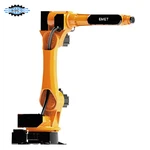

Electric Hoist Winch
Why Choose HEBEI EMET MACHINERY & TECHNOLOGY CO., LTD?
Our company is a mechanical manufacturing enterprise, formerly a lifting machinery manufacturing factory, established in 2005. Located in Qingyuan District, Baoding City, Hebei Province, China, known as the hometown of lifting machines, covering an area of 3200 square meters, with advanced production equipment and a comprehensive quality management system, we are committed to providing customers with high-quality mechanical manufacturing services.
Professional Technical Team
We have a highly skilled team with strong technical strength and over 100 experienced employees. We insist on continuous innovation and have a series of independently developed precision manufacturing technologies and equipment.
Wide Range of Products
Our products cover various mechanical equipment, such as anti fall devices, electronic scales, manipulator arms, etc; At the same time, we can also customize production according to customer needs.
Quality Assurance
We strictly follow the requirements of the ISO9001 quality management system for production, and all products have passed CE certification, with a high market share.At the same time, we also have advanced production lines to provide customers with high-quality mechanical equipment.
Professional Service
We provide excellent after-sales service, track usage, and provide positive feedback. We will respond quickly within 24 hours and provide customers with solutions.


A mini electric hoist is a compact and portable device used for lifting and lowering An electric hoist winch is a type of hoisting equipment that combines the functionalities of an electric hoist and a winch. It is designed to lift and lower heavy loads while also providing horizontal pulling or winching capabilities. This combination allows for a versatile and efficient handling of various tasks.
The electric hoist winch typically consists of a motor-powered drum or reel around which a cable or rope is wound. The motor provides the power to rotate the drum in either direction, enabling lifting and lowering operations. In addition, the winch feature allows for the controlled pulling or dragging of objects horizontally.
The electric hoist winch can be mounted on a fixed structure or mounted on a portable frame or trolley for easy transportation. It is commonly used in industries such as construction, marine, mining, and forestry, where heavy loads need to be lifted, moved horizontally, or positioned with precision.

Features of Electric Hoist Winch
Lifting Capacity
Electric hoist winches are available in different lifting capacities to accommodate various load sizes. The lifting capacity can range from a few hundred kilograms to several tons.
Dual Functionality
Electric hoist winches combine the functionalities of a hoist and a winch, offering both vertical lifting and horizontal pulling capabilities. This versatility allows for a wide range of applications.
Electric-powered
These winches are driven by an electric motor, eliminating the need for manual hand-cranking or other power sources like gasoline or hydraulic systems.
Remote Control
Many electric hoist winches come with a handheld remote control, allowing the operator to control the lifting, lowering, and winching operations from a distance. This offers convenience and improved safety.
Cable or Rope
Electric hoist winches are equipped with a cable or rope wound around a drum or reel. The type and material of the cable or rope used can vary depending on the specific winch and its intended application.
Safety Features
Electric hoist winches often come with safety features such as overload protection, emergency stop switches, and limit switches that prevent over-rotation or excessive pulling forces. These features help ensure safe operation and protect against damage to the winch or the load.
Durable Construction
Winches are typically built with sturdy materials like steel or heavy-duty alloys to withstand the demands of lifting and pulling heavy loads. This ensures durability and longevity of the winch.
Mounting Options
Electric hoist winches can be mounted on a fixed structure, such as a beam or wall, or integrated into a portable frame or trolley for easy transportation and flexibility in usage.
Variable Speed Control
Some electric hoist winches offer variable speed control, allowing the operator to adjust the lifting or pulling speed according to the requirements of the task. This provides precision and control.
Weather-resistant
Electric hoist winches designed for outdoor or maritime applications may have additional weather-resistant features to protect against the elements, such as water resistance, corrosion-resistant coatings, or sealed motors.

Types of Electric Hoist Winch
Electrical Winches
Electrical winches rely on and electrical motor that is powered by electricity. The current can be supplied via a battery, plug, or another power source to power and =d turn on the motor. Electrical winches are relatively lightweight and easy to install, making them convenient to use and transport around. They are widely used in landscaping, though they are also commonly seen in indoor applications like shopping malls to hang and support banners and decorations from high ceilings.
Manual Winches
Manual winches have a handle and g barrel axis that is operated by hand to pull light objects off the ground. These hand-operated winches can be used in wet conditions and in locations that have no power outlets like forested areas. They are commonly used in arbour industries.
Air Winches
Air winches, or also known as air hoists, are air-compressed winches designed for lifting and suspending heavy objects mid-air. They tend to be more durable and robust than other winches and are capable of performing well in extreme conditions like harsh heat, cold, wet, and explosions. Air winches are primarily used in construction, oil and gas, and maritime industries.
Hydraulic Winches
Hydraulic winches utilize fluid power, hydraulic systems and a motor pump. They are one of the most powerful winches that have high durability, loading capacity, and electrical efficiency as compared to an electric winch . With their longer and consistent pulling power, hydraulic winches are ideal for moving vessels, vehicles, or heavy cargo. This makes them suitable for the maritime and logistics industries as well.
Pull/Utility Duty Winches
Pull winches or utility duty winches use a drum to wind wire ropes to pull heavy loads horizontally. They come with a special sliding ramping clutch that allows for rapid wire rope payout. With their dynamic and mechanical brakes, utility duty winch can hold full loads. Being also compact and lightweight, they are commonly used for mounting and bolting onto a vehicle for pulling functions and rescue purposes.
Advantages of Electric Hoist Winch
Increased Safety
Using Electric Hoist Winch machines reduces the risk of injury or accidents that can occur when relying on manpower alone. Electric Hoist Winches are designed to lift and pull heavy loads safely and efficiently, and with the right safety measures in place, they can reduce the risk of accidents or injuries.
More Efficient
Electric Hoist Winch machines are designed to handle heavy loads quickly and efficiently. They can lift and move heavy loads faster than manpower alone, which can save time and increase productivity.
Cost-Effective
In many cases, using Electric Hoist Winch machines can be more cost-effective than relying on manpower alone. Hiring Electric Hoist Winch machines for a specific project can be cheaper than paying for a team of workers to perform the same task.
Application of Electric Hoist Winch
Construction and Building
Electric hoist winches are widely used in construction sites for lifting and lowering heavy building materials, equipment, and tools. They also assist in pulling or moving items horizontally, such as positioning beams or trusses.
Off-road and Recovery
Electric hoist winches are employed in off-road vehicles, trucks, and SUVs for recovery purposes. They help pull vehicles out of mud, snow, or difficult terrain. They are also used for pulling heavy objects or loads onto trailers.
Marine and Boating
Electric hoist winches are essential in marine and boating applications. They are utilized for various tasks such as lifting and lowering boats onto trailers or docks, hauling in anchors, and pulling in fishing nets or traps.
Forestry and Logging
In the forestry industry, electric hoist winches are used for pulling logs or heavy timber, both vertically and horizontally, during harvesting or transportation operations. They enhance efficiency and safety.
Industrial and Manufacturing
Electric hoist winches are frequently employed in industrial environments for lifting and moving heavy machinery, equipment, or components. They aid in assembly, positioning, and maintenance tasks.
Automotive and Vehicle Maintenance
Electric hoist winches are utilized in automotive workshops or garages for hoisting engines, transmission components, or other heavy automotive parts. They facilitate easier access and repair.
Entertainment and Event Production
Electric hoist winches play a crucial role in entertainment and event production settings. They are used for lifting and suspending stage rigging, lighting fixtures, audio equipment, and temporary structures like trusses.
Rescue and Emergency Operations
Electric hoist winches have applications in rescue and emergency operations, such as search and rescue scenarios or lifting operations in difficult terrain. They aid in the safe extraction of individuals or equipment.
Mining and Quarrying
In mining and quarrying operations, electric hoist winches are utilized for lifting and moving heavy ore, materials, or machinery. They assist in ore extraction, transportation within mines, and other related tasks.

How to Choose Electric Hoist Winch
When it comes to buying an electric winch, there are a few factors that you should consider. Firstly, think about the weight capacity that you require for your winch. This will depend on what you plan to use the winch for and how heavy the items are that you need to move.
Next, consider the length of cable or rope that you require. If you need a longer reach, then opt for a winch with a longer cable. However, keep in mind that this may affect its weight capacity.
Another factor is the speed of the winch. Do you want something fast and efficient or something slower but more powerful? Think about how quickly and easily you need to move items.
It’s also important to check if any additional accessories come with your electric winch purchase such as hooks or remote controls.
Make sure to read reviews from other customers before making your final decision. This can give insight into the quality and durability of different brands and models.
Maintenance of Electric Hoist Winch
Regular Inspection
Conduct regular visual inspections of the winch, checking for any signs of wear, damage, or loose components. Pay attention to cables/ropes, hooks, motors, and electrical connections. If any issues are found, address them promptly.
Lubrication
Follow the manufacturer's guidelines for lubrication of the winch's moving parts, such as gears, bearings, and chains. Use quality lubricants suitable for the specific components and environment. Over-lubrication should be avoided, as it can attract dust and debris.
Cable/Rope Inspection
Thoroughly inspect the lifting cable or rope for signs of cuts, fraying, or corrosion. Replace any damaged or worn-out cables or ropes immediately to ensure safe lifting operations.
Electrical System
Check the electrical connections, wiring, and control switches regularly to ensure they are in good condition. Inspect for any signs of overheating, loose connections, or damage that may affect the electrical functionality of the winch.
Load Testing
Periodically conduct load testing to ensure that the winch's lifting capacity is within its specified range. This helps identify any potential issues with the winch's performance or structural integrity.
Cleaning
Keep the winch clean by regularly removing dirt, grease, and debris that may accumulate on the surface and in the mechanisms. Use appropriate cleaning agents and avoid using high-pressure water, as it may enter sensitive electrical components.
Safe Storage
When not in use, store the electric hoist winch in a clean, dry, and secure location to protect it from environmental elements and potential damage or tampering.
Manufacturer's Guidelines
Follow the manufacturer's recommended maintenance procedures and schedules specific to your electric hoist winch model. Adhering to these guidelines will help ensure proper maintenance and minimize the risk of equipment failure.
Professional Service
Consider having the electric hoist winch professionally serviced at regular intervals. This can involve comprehensive inspections, repairs, and adjustments by qualified technicians familiar with the specific make and model of the winch.
How to Use Electric Hoist Winch
Correct Winch Installation
Every winch and every manufacturer is different, so you need to make sure that your electrical winch is installed correctly. Whenever you purchase a new one or erect one in a new location, follow the manufacturer's instructions to make sure it is done correctly. Although this might be obvious, it ensures that the equipment will be used correctly and function at its optimum when it’s used.
Check your winch Before Use
It is so easy to start work and not check your equipment first, but this can save you a lot of hassle in the long run. A quick check to see that everything is intact, that the controls, cables, the electric winch motor and ropes are all in working order ensures yours and your worker’s safety. Defective winches can cause all sorts of harm, so doing checks before use is a good habit to get into.
Inspecting the Winch Rope Is Essential
One giveaway that something isn’t right is that the rope is twisted around or trapped. Because this is what a winch relies heavily upon to work, if a rope in a wire rope winch isn’t functioning properly, it certainly is a warning sign that something isn’t right.
Train Your Workforce
Winches might seem like straightforward gear, but they can only be used by trained operatives. Because a certain level of safety information needs to be understood before they are used, train your workers or yourself before undertaking any DIY projects. This ensures that everyone’s knowledge is up to scratch before they use this sort of gear.
Test the Brakes
Winches can often move an impressive amount of mass and while this is very useful, if the brake isn’t working then it can be a huge problem too. Because electric winches are often used to move heavier objects it’s especially important that the brake works. Testing can easily be done before each working day or session, just move the object a small amount to check it’s functioning, before using it fully.
Keep Your Hands and Feet Safe
Accidents can easily occur when you aren’t aware of your surroundings and this goes for winches too. While they might seem like a straightforward piece of kit, make sure your limbs aren’t underneath the objects that are being lifted and won’t get caught in the equipment. This is good practice and a habit you should get into.
Make Sure the Brake Is Clean
When checking the equipment beforehand, make sure that the winch is clean. It can be so easy for them to get dirty and for dirt to get on the brake, especially in construction sites and in warehouses. If water, dirt or oil comes into contact with the brake though it can be deadly even if it is the best winch you have, so make sure it looks clean before use.
Get Your Winches Serviced and Inspected
Once you’ve got all your equipment, you still need to upkeep them to ensure they function safely into the future. Getting your equipment inspected and serviced ensure that they will carry on functioning well and that everyone who uses them continues to remain safe.
Our Factory
We have a complete factory production, quality supervision and delivery.

Ultimate FAQ Guide to Electric Hoist Winch
Q: What is an electric hoist winch?
Q: How does an electric hoist winch work?
Q: What are the advantages of an electric hoist winch?
Q: Where can I use an electric hoist winch?
Q: What types of loads can an electric hoist winch handle?
Q: How much weight can an electric hoist winch lift?
Q: What are the different types of electric hoist winches?
Q: What is the difference between a wire rope hoist and a chain hoist?
Q: What is the difference between a handheld and a stationary electric hoist winch?
Q: What is an electric cable hoist?
Q: What is the difference between a single-line and double-line electric hoist winch?
Q: How does a double-line electric hoist winch work?
Q: What safety precautions should I take when using an electric hoist winch?
Q: What maintenance is required for an electric hoist winch?
Q: What are the most common applications for an electric hoist winch?
Q: Can an electric hoist winch be used outdoors?
Q: Is a remote control included with an electric hoist winch?
Q: Can an electric hoist winch be mounted on a vehicle?
Q: How do I choose the right electric hoist winch for my needs?
Q: What are the most important features to look for in an electric hoist winch?