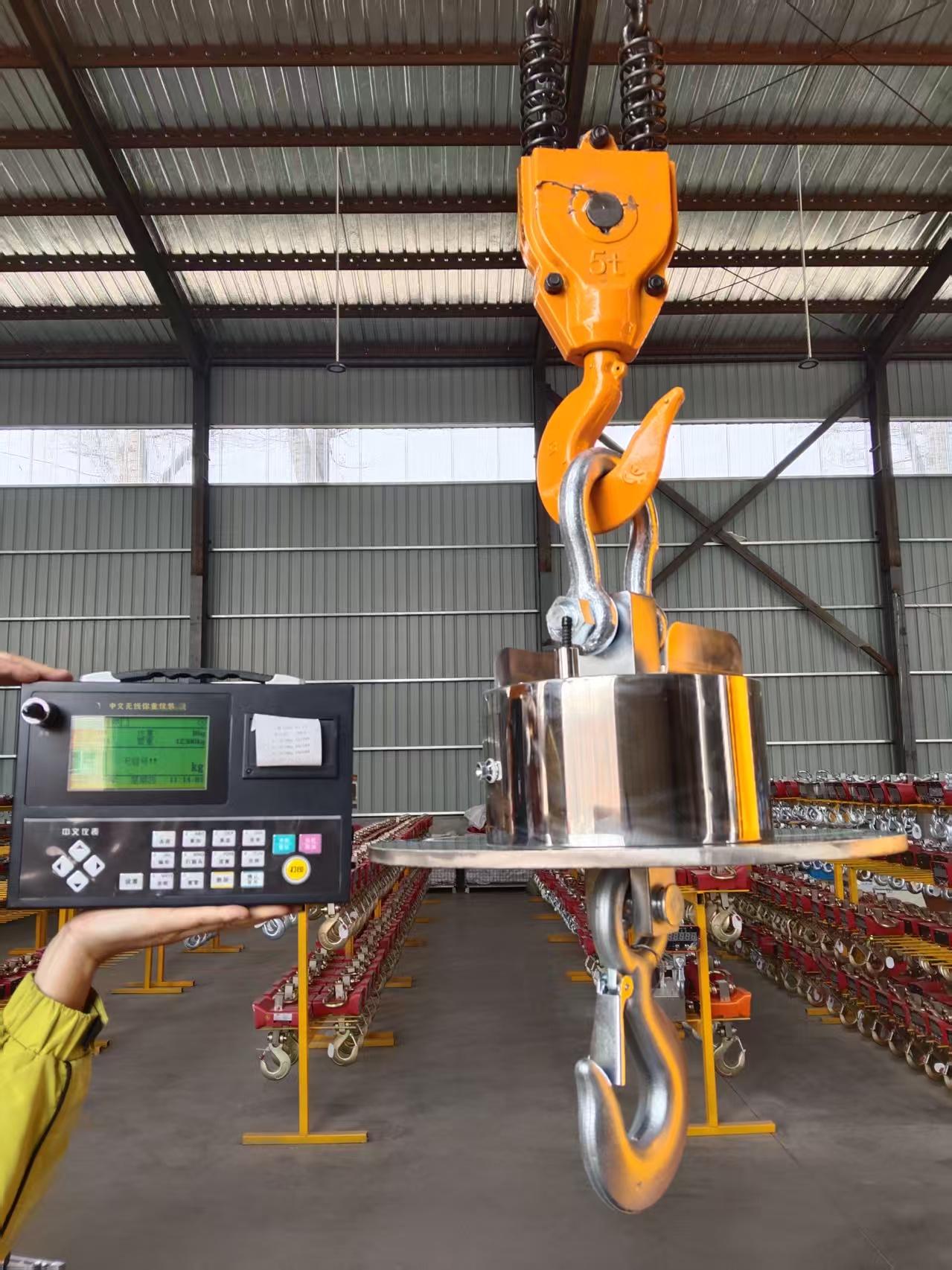
An electronic hanging scale is a measuring device that utilizes hanging to weigh goods. Its core principle involves converting gravitational signals into electrical signals through a high-precision sensor, which are then displayed as weight data via a digital processing system. Compared to traditional platform scales or weighbridges, electronic hanging scales offer advantages such as small space occupation, flexible operation, and strong portability, making them particularly suitable for scenarios requiring dynamic weighing, such as metallurgy, chemical industry, and warehousing. The technological development of these scales has undergone iterations, transitioning from mechanical to electronic models and from wired transmission to wireless display. Modern products now feature high precision, high stability, and multifunctional integration.
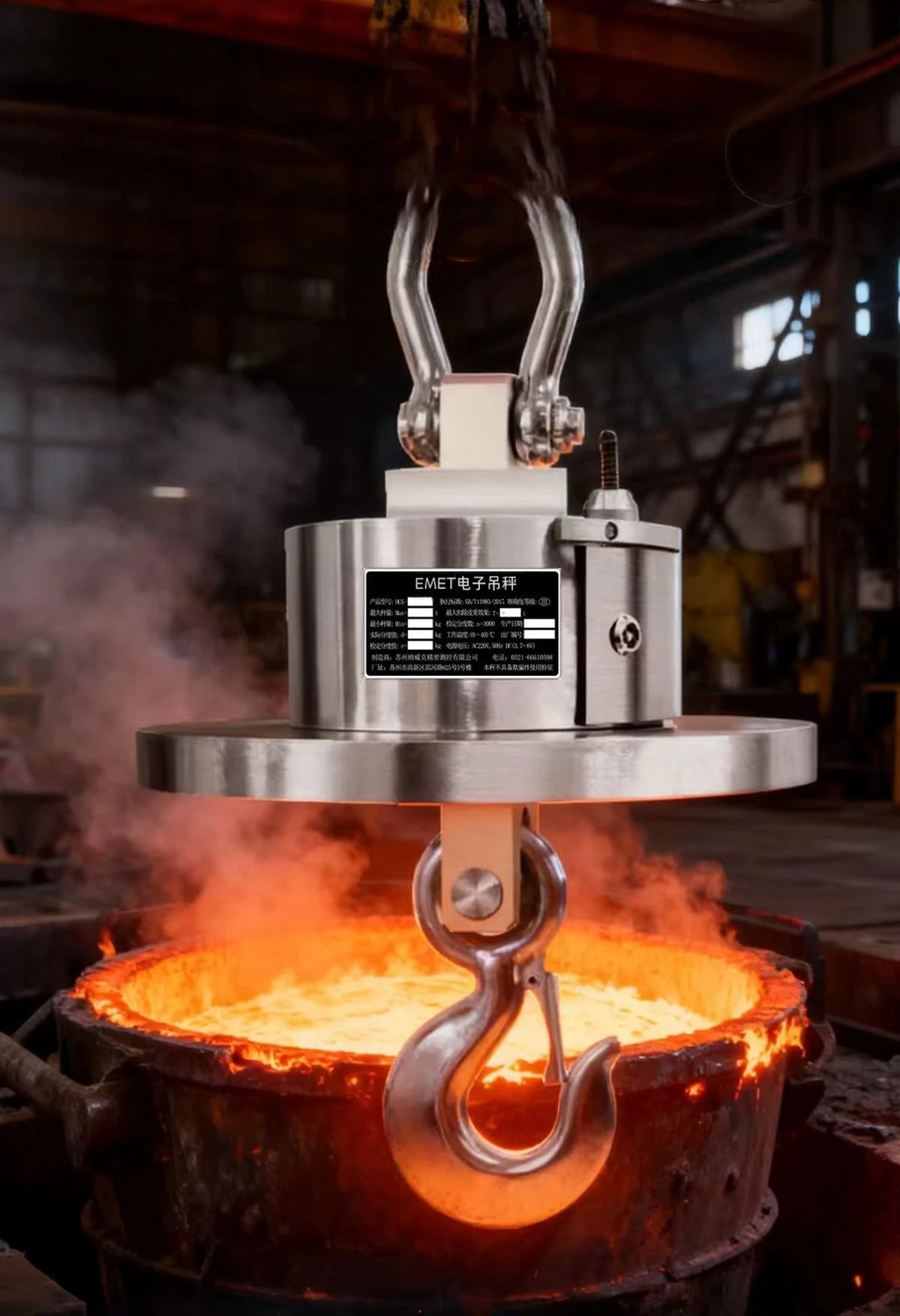
Taking the electronic hanging scale specifically designed for the metallurgical industry as an example, its design focuses on solving two major challenges: high temperature and corrosion. In metallurgical production, the lifting and weighing of molten metal often face high temperature environments above 1000℃, and ordinary sensors are prone to measurement inaccuracies due to thermal expansion. To address this issue, the Heat-Resistant Crane Scale adopts a double-layer protective structure: the outer layer is a high-temperature resistant alloy shell that can block direct thermal radiation; the inner layer is filled with aerogel insulation material, effectively reducing the temperature of the internal sensor. At the same time, the sensor surface is coated with a ceramic coating, which can withstand high-temperature oxidation and prevent physical damage caused by splashes of molten metal. In terms of corrosion protection, key components of the scale body are made of 316L stainless steel, with optimized ratios of chromium, nickel, and molybdenum, which can form a dense oxide film in strong acid and alkali environments, extending the service life of the equipment.
The weighing range and scene adaptability of electronic crane scales are also key indicators. Common models in the metallurgical industry cover weighing needs ranging from 10 tons to 50 tons, and can be matched with melting ladles or steel billet cranes of different specifications. To enhance operational efficiency, EMET electronic crane scales integrate wireless printing instruments and large LCD displays, allowing weighing data to be transmitted to the management system in real time, thus avoiding errors caused by manual recording. In addition, some modes are equipped with a small trolley design, facilitating rapid movement and positioning within the workshop. Coupled with wooden box packaging, it ensures shock and moisture resistance during transportation. For non-standard scenarios, manufacturers also provide customization services, allowing for adjustments to the scale body size, sensor accuracy, or communication protocol according to user needs, further expanding the application boundaries of the equipment.